The Scratchy Little Invention That Needed the Moon to Finally Get Noticed
Most origin stories about Velcro start with the burrs. A Swiss engineer named Georges de Mestral goes hiking in the Alps in 1941. His dog comes home covered in sticky plant burrs. De Mestral, being the kind of person who examines things under a microscope instead of just brushing them off, takes a close look and notices that each burr is covered in tiny hooks that latch onto loops in fabric and fur. He spends the next several years engineering a synthetic version of that hook-and-loop system. He calls it Velcro — from the French words for velvet and hook.
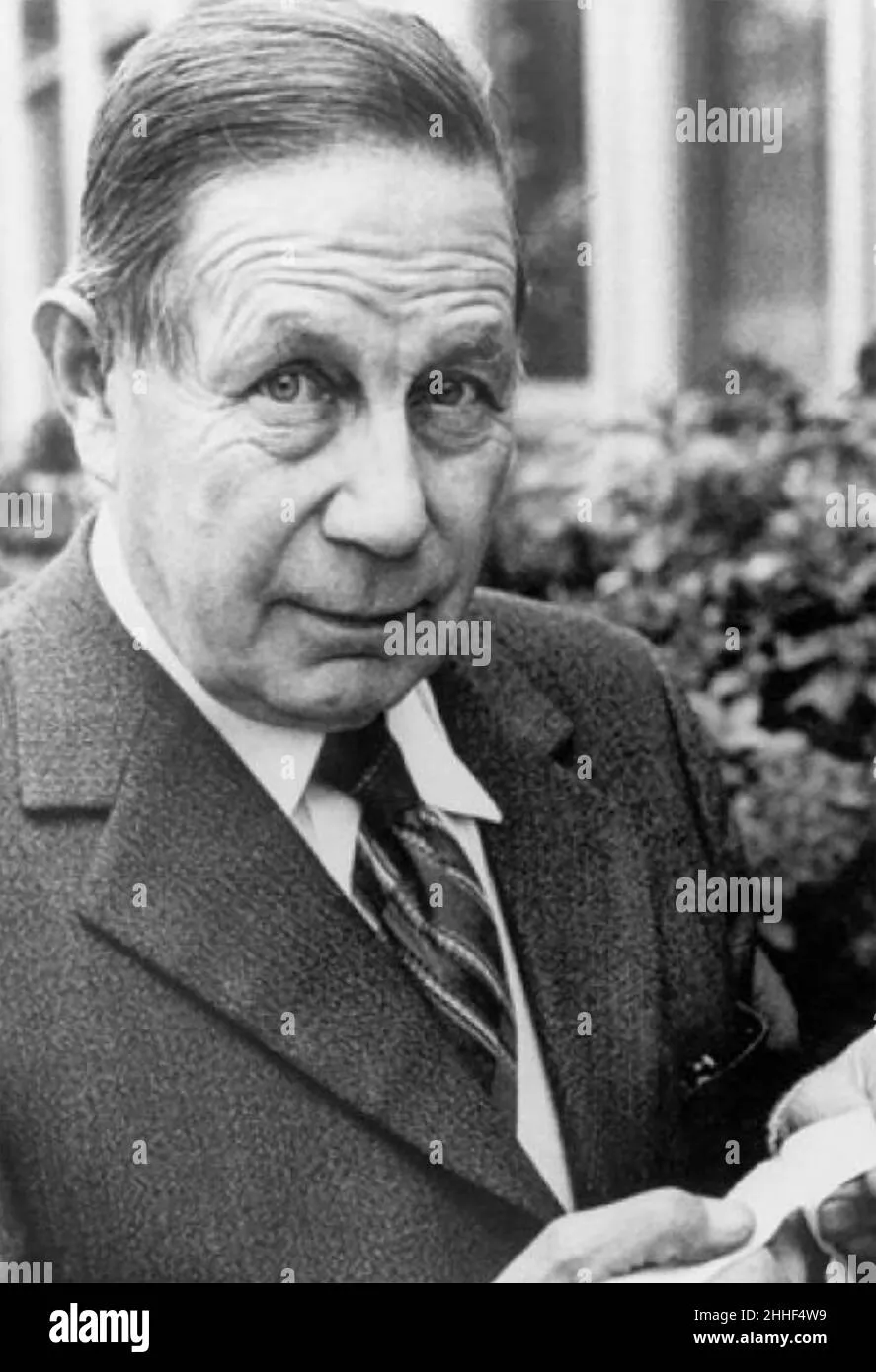 Photo: Georges de Mestral, via c8.alamy.com
That's the tidy version. What the tidy version leaves out is the part where nobody cared.
Two Decades of Closed Doors
De Mestral patented his hook-and-loop fastener in 1955, after years of technical development. The manufacturing challenge was significant — he needed a way to produce nylon loops with the right density and a way to create hooks that were strong enough to hold but easy enough to release. He eventually cracked it, mostly by accident, when he noticed that nylon heated under infrared light formed the rigid hooks he needed.
The patent was real. The product worked. And the textile industry, almost universally, was not interested.
Fashion manufacturers found it ugly. Clothing designers thought it looked industrial and cheap. The sound it made — that distinctive ripping tear — seemed wrong for garments meant to be worn in polite company. Velcro sat in a strange commercial purgatory through the late 1950s and early 1960s, occasionally finding niche uses in medical settings and specialty gear, but never breaking into the mass market that de Mestral had imagined.
For nearly two decades, Velcro was a solution that the world wasn't sure it had a problem for.
The Space Program Changes Everything
In the early 1960s, NASA was building the infrastructure for human spaceflight, and the engineers designing space suits had a very specific problem: how do you help an astronaut manage objects and equipment in zero gravity, where nothing stays where you put it, and conventional fasteners are fiddly and slow?
Velcro was the answer. NASA incorporated hook-and-loop fasteners throughout the Apollo program — on suit closures, equipment pouches, inside the command module to keep food packets and tools from floating away, and on the astronauts' gloves. It was functional, reliable, fast to operate even in a pressurized suit, and it didn't require fine motor precision in a high-stress environment.
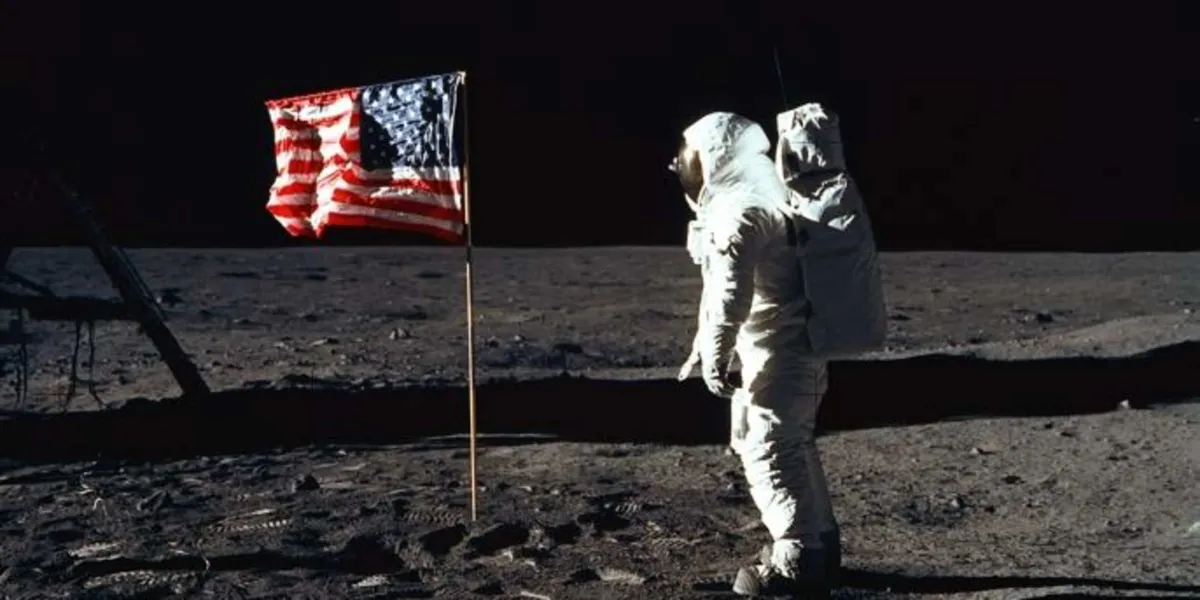 Photo: Apollo program, via res.cloudinary.com
When the Apollo missions started broadcasting to American living rooms, Velcro went with them. Suddenly the scratchy fastener wasn't a cheap textile afterthought — it was what the astronauts used. It was space-age technology. It was the future.
The psychological shift was almost overnight. An invention that fashion houses had dismissed as too industrial became desirable precisely because of its industrial associations. If it was good enough for a moon suit, it was good enough for your jacket.
From the Launchpad to the Kindergarten Floor
Through the late 1960s and into the 1970s, Velcro started appearing in sporting goods, outdoor gear, and military equipment. The US military became one of its largest customers, using it on uniforms, gear pouches, and flight suits. The outdoor industry followed, and then the medical world expanded its use in braces, wraps, and orthopedic devices.
But the moment Velcro truly embedded itself into American daily life came in the 1980s, when children's shoe manufacturers figured out something elegant: kids can't tie laces, and parents are tired of doing it for them. Velcro closures on sneakers meant a toddler could fasten their own shoes. The fine motor skills required for bow-tying were irrelevant. The shoe went on, the straps went over, the rip-and-stick sound confirmed it was done.
Nike, Reebok, and a dozen other brands rolled out Velcro-closure sneakers for children, and they became a staple of American elementary school life through the 1980s and 1990s. For an entire generation of American kids, Velcro wasn't a novel technology — it was just how shoes worked.
Why It Took a Moonshot to Make It Normal
There's something telling about the fact that a functional, well-engineered product sat in commercial obscurity for nearly twenty years before a government space program rescued it. De Mestral's invention didn't fail because it didn't work. It failed because it didn't fit the existing story that consumers and manufacturers were telling themselves about what a fastener should be.
NASA rewrote that story. By placing Velcro in the context of the most ambitious and widely watched engineering project in human history, the space program didn't just endorse the product — it reframed it. The same ripping sound that had seemed cheap and industrial in a clothing showroom became, in the context of a spacesuit, a sound of precision and reliability.
Consumer culture runs on exactly this kind of reframing. Products don't succeed on function alone. They succeed when the right story gets attached to them in the right moment.
Georges de Mestral died in 1990, having lived long enough to see his hook-and-loop fastener become one of the most widely used closures on earth. His original patent had long since expired by then — meaning the technology he'd developed had become effectively free for any manufacturer to use.
The burrs his dog brought home from the Alps are now in billions of shoes, bags, jackets, medical devices, and military uniforms worldwide. It just took a trip to the moon to get the conversation started.