The Beach Shoe Nobody Wanted That Built a Billion-Dollar Empire
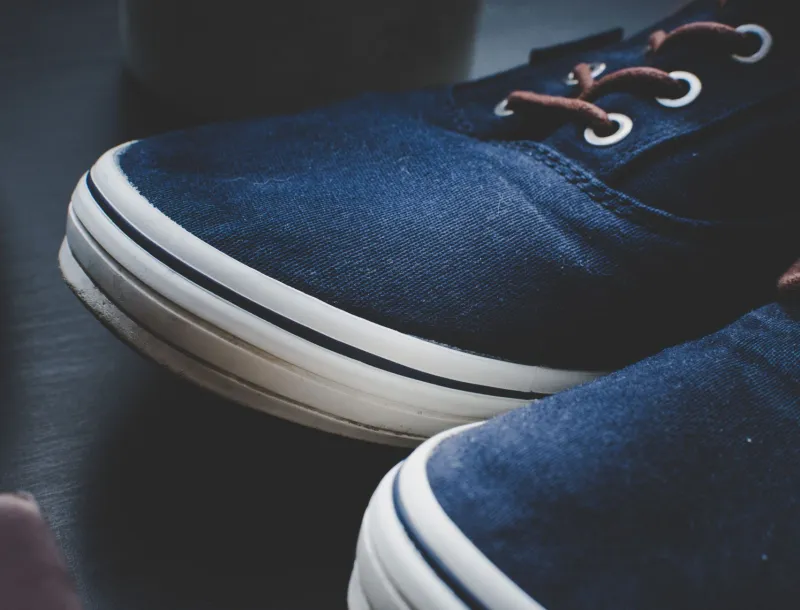
There is a shoe sitting somewhere in your home right now — maybe by the door, maybe kicked under the bed — that traces its bloodline back to a dismissed, bargain-bin piece of Victorian beachwear that nobody respectable wanted to be caught wearing. The sneaker, in all its current glory, started life as something closer to a joke.
And the people who made it had absolutely no idea what they were setting in motion.
A Shoe for the Unfashionable Shore
In the 1860s, British manufacturers began producing a simple rubber-soled canvas shoe for working-class families vacationing at seaside resorts. The shoe was called a plimsoll — named, depending on who you ask, either after Samuel Plimsoll, the shipping reformer, because the band where rubber met canvas resembled the load line painted on cargo ships, or simply because the name stuck the way certain words do without any real logic behind them.
 Photo: Samuel Plimsoll, via cdn.christadelphianvideo.org
The plimsoll was cheap. It was light. It was perfectly adequate for walking on wet sand without ruining a decent pair of leather shoes. And it was, by the standards of Victorian England, deeply uncool. Wealthy visitors to the British seaside wore proper footwear. The plimsoll was for people who couldn't afford anything better.
That social stigma followed the shoe around like a shadow for decades. It existed, it sold, it served its purpose — but nobody was writing poems about it.
The Quiet Crossing
Somewhere in the late 19th and early 20th centuries, the rubber-soled canvas shoe made its way to American shores, carried along by the same industrial tide that was moving goods and ideas between continents at an accelerating pace. American manufacturers, including a young company called Keds, began producing their own version around 1916 — marketing them as "sneakers," a name reportedly coined because the rubber soles were so quiet you could sneak up on people while wearing them.
The name was casual, almost throwaway. The shoe was still casual, almost throwaway. But something was beginning to shift.
Physical education was becoming a serious concern in American schools and universities during this period. The country was increasingly anxious about the fitness of its young men — particularly after military recruitment during World War I revealed alarming rates of physical deficiency among draftees. Gym class wasn't just recreation anymore. It was a national project.
And for gym class, you needed a shoe that wouldn't destroy a wooden floor.
The Gym Floor Connection
This is where the plimsoll's unlikely American reinvention really begins. School physical education programs across the country started requiring rubber-soled shoes for indoor athletic activity. Suddenly a shoe that had been associated with poverty and beach holidays was being worn by every kid in America during PE class. It wasn't glamorous. But it was universal.
At the same time, a few athletic-minded entrepreneurs were beginning to see something more in the form. Chuck Taylor, a basketball player from Indiana, started promoting a canvas high-top sneaker made by Converse with such relentless personal salesmanship — visiting gyms, coaching players, talking up the shoe — that his name ended up on the ankle patch. By the 1930s, Converse Chuck Taylors were the dominant basketball shoe in America. The plimsoll had its first genuine American success story.
 Photo: Chuck Taylor, via image.tmdb.org
But the real explosion was still coming.
Postwar Optimism and the New American Body
World War II changed America's relationship with its own physical self in ways that are hard to overstate. Returning veterans came home with habits built around physical training and a restless energy that didn't have anywhere obvious to go. The postwar economic boom gave middle-class Americans leisure time they had never previously enjoyed. And a new, television-amplified culture began promoting the idea that being fit wasn't just healthy — it was aspirational.
The rubber-soled athletic shoe was perfectly positioned for this moment. It was affordable. It was practical. And it was already embedded in the cultural memory of every American who had worn one during gym class.
Adidas and Puma — German brothers' companies born from a bitter family feud — began aggressively marketing their spiked athletic shoes to American track and field athletes in the 1950s. Nike, founded in 1964 as Blue Ribbon Sports by a University of Oregon track coach and his former athlete, entered the game with a mission to build a better performance shoe. The fitness industry, the athletic shoe industry, and a broader American obsession with physical self-improvement were all feeding each other in an accelerating loop.
 Photo: University of Oregon, via cdn.britannica.com
When the Shoe Became the Signal
By the 1980s, something remarkable had happened to the direct descendant of that humble Victorian beach shoe. It had become a status object. Nike's Air Jordan line, launched in 1985, turned a rubber-soled athletic shoe into a cultural artifact that people lined up for, argued over, and in some cases fought over. The sneaker was no longer just footwear. It was a statement about who you were, what you valued, and where you stood in an intricate social hierarchy.
The Victorian beachgoer in his plimsolls — embarrassed to be seen in cheap canvas shoes while the wealthy wore proper leather — would have found this completely incomprehensible.
Today, the global athletic footwear market is worth well over $100 billion annually. Americans spend more on sneakers than most countries spend on entire clothing categories. Sneaker culture has its own journalists, its own resale economy, its own museums and exhibitions.
All of it traces back, in a direct and documentable line, to a budget beach shoe that nobody respectable wanted to wear.
The first form of the sneaker was an embarrassment. Everything that followed was an accident nobody planned. And somehow that makes the whole story feel exactly right.