The Storm That Taught America How to Buy Memories
When Disaster Became Commerce
The merchant vessel Helena never should have been sailing so close to the Massachusetts shore on that November evening in 1873. Loaded with European novelty goods bound for Boston—decorative spoons, small ceramic figurines, brass trinkets, and assorted knickknacks—the ship was racing against an approaching storm when it struck an unmarked reef near Cape Cod.
Within hours, the Helena was breaking apart in the surf, scattering its cargo across miles of coastline. Local salvagers rushed to collect anything valuable that washed ashore, but what they found presented an unusual problem: hundreds of European-made trinkets with no obvious American market value.
That's when someone had a brilliant idea that would accidentally invent an entire industry.
The Birth of "Been There, Bought That"
Faced with piles of generic European souvenirs, a salvage dealer named William Hartwell made a desperate decision. Using metal stamps and paint, he began marking the recovered items with local place names: "Cape Cod," "Massachusetts," "Plymouth Rock." What had been worthless foreign trinkets suddenly became something entirely new—proof that you'd been somewhere special.
The response was immediate and overwhelming. Tourists visiting the Cape Cod area went wild for these "authentic" local mementos. It didn't matter that the spoons were made in Birmingham or the figurines crafted in Bavaria. The magic was in the marking, the simple addition of a place name that transformed a generic object into a personal memory.
Hartwell had accidentally discovered that Americans didn't want to buy things—they wanted to buy experiences.
The Psychology of Place
What made Hartwell's stamped salvage so irresistible wasn't the objects themselves, but what they represented. In post-Civil War America, people were beginning to travel for pleasure rather than necessity. The growing railroad network made leisure trips possible for the middle class, but how do you prove you've been somewhere extraordinary?
A spoon marked "Niagara Falls" became evidence of adventure. A small plate stamped "Yellowstone" was proof of wonder witnessed. These simple objects served as conversation starters, status symbols, and memory triggers all rolled into one.
 Photo: Niagara Falls, via billeder.jyllands-posten.dk
The Helena's cargo had accidentally solved a uniquely American problem: how to turn experiences into possessions.
From Shipwreck to Industry
News of the Cape Cod souvenir success spread quickly through America's growing tourism industry. Hotel owners, railway companies, and local merchants realized they'd been missing an enormous opportunity. Why wait for shipwrecks when you could manufacture memories?
By 1880, every major tourist destination in America had souvenir shops selling locally-marked trinkets. Niagara Falls vendors offered miniature barrels "made from actual Falls wood" (they weren't). Grand Canyon merchants sold "authentic Indian pottery" (mass-produced in Ohio). The formula was simple: take any object, add a place name, and sell the story.
The industry that started with waterlogged European trinkets was becoming a cornerstone of American tourism.
The Evolution of Manufactured Memory
As the souvenir industry matured, it became increasingly sophisticated. The simple stamped spoons of the 1870s evolved into snow globes, postcards, miniature landmarks, and branded apparel. Each innovation made the connection between place and purchase more explicit.
The snow globe, perfected in the 1920s, was particularly genius—it literally contained a miniature version of your destination, complete with artificial weather. You weren't just buying a souvenir; you were buying a pocket-sized version of somewhere else.
The Science of Sentiment
Modern psychologists understand exactly why Hartwell's accidental invention was so powerful. Souvenirs serve as "material anchors" for experiences, physical objects that help our brains retrieve and relive memories. The act of purchasing creates an additional emotional layer, transforming passive observation into active participation.
That's why a $3 magnet from the Golden Gate Bridge can feel more valuable than expensive jewelry. It's not about the object—it's about the story the object tells about you.
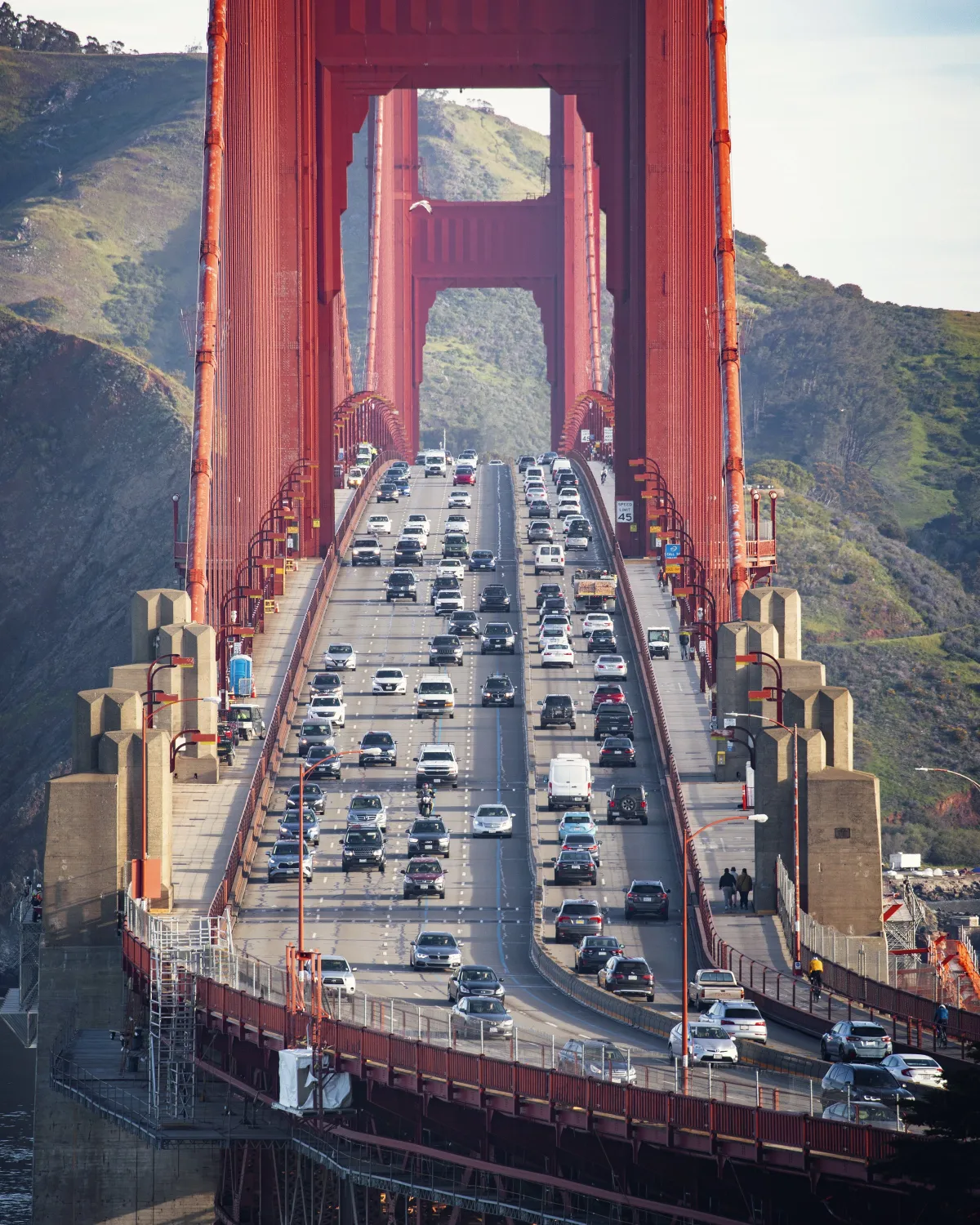 Photo: Golden Gate Bridge, via images.squarespace-cdn.com
The Shipwreck That Built an Empire
Today, Americans spend over $4 billion annually on travel souvenirs, all because one shipwreck taught us that experiences could be packaged and purchased. From airport gift shops to theme park stores, the descendants of Hartwell's stamped salvage are everywhere.
The Helena's cargo created more than an industry—it created a new form of American expression. In a culture increasingly focused on experiences over possessions, souvenirs became the bridge between the two, allowing us to own our adventures and display our wanderlust.
When Disaster Becomes Discovery
The next time you're browsing a gift shop, remember that you're participating in a tradition that began with a shipwreck and a desperate salvager's creative problem-solving. William Hartwell probably never imagined that his stamped trinkets would inspire an entire industry, but sometimes the most enduring innovations come from the most unexpected disasters.
After all, the best souvenirs aren't really about the places we've been—they're about the stories we want to tell about ourselves. And that story began with a storm, a shipwreck, and someone who refused to let a good disaster go to waste.