The Room Where Americans Used to Keep Their Dead — And How It Became the Living Room
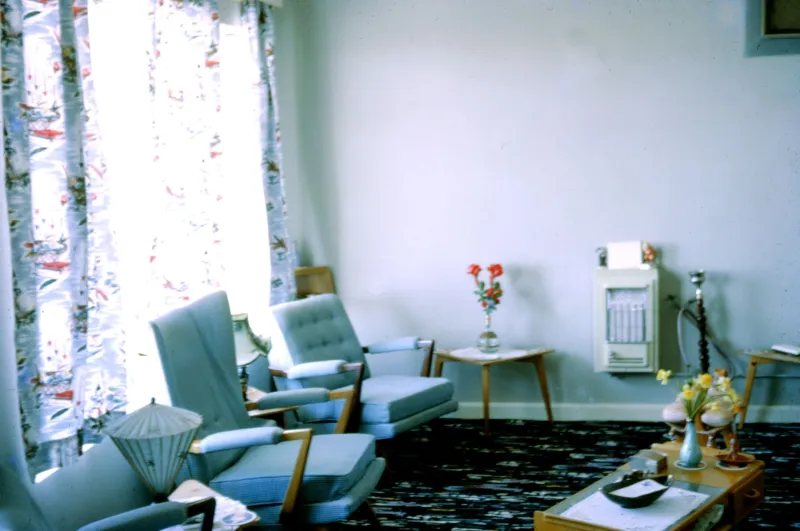
If you live in a house or apartment with a front room — the one with the couch, maybe a television, possibly a rug you spent too long choosing — you probably call it the living room. It's where you relax, where guests sit, where the family gathers on holidays. The name feels self-evident. Of course it's the living room. What else would you call it?
For most of American history, you would have called it the parlor. And the reason that name disappeared is stranger, and more deliberate, than most people realize.
What the Parlor Actually Was
Before funeral homes became standard fixtures of American towns, death was handled at home. When a family member died, the body was prepared — often by the family itself, sometimes by a local woman with relevant experience — and then laid out in the front room of the house for a period of visitation. Neighbors, extended family, and community members would come to pay respects. The body might remain there for two or three days.
The parlor was designed for exactly this purpose. It was typically the most formal room in the house — furnished carefully, kept clean, not used for everyday living. It faced the street, which made it accessible to visitors without requiring them to pass through the more private areas of the home. Heavy drapes kept the light low and respectful. Mirrors were covered during the mourning period, a custom with roots in older European traditions.
This wasn't considered morbid. It was simply how death worked. Keeping the deceased at home was practical, communal, and, for most families, the only available option. The parlor's dual role — formal reception room and, when necessary, space for the dead — was understood and unremarkable.
Then the twentieth century arrived and changed everything.
The Industry That Wanted to Professionalize Death
By the early 1900s, a new profession was trying to establish itself: the funeral director. Undertakers had existed for decades, but the industry was pushing to be recognized as a legitimate professional service rather than a trade. They wanted to move death out of the home and into dedicated facilities — spaces they controlled, staffed by trained specialists, equipped with proper embalming rooms and viewing parlors of their own.
This was partly about business. Funeral homes couldn't thrive as long as families handled death domestically. But the professionalization push was also wrapped in genuine public health arguments. Cities were growing rapidly, home sanitation was uneven, and keeping a body in a residential space for multiple days carried real hygiene risks — particularly in warm weather or in crowded urban apartments where ventilation was poor.
World War One accelerated the shift. The war killed an almost incomprehensible number of young American men, and the sheer scale of death created both practical demand for professional death services and a cultural exhaustion with grief as a public, domestic affair. There was a widespread desire — not quite conscious, but palpable — to separate the living spaces of the home from the rituals of mourning.
 Photo: World War One, via img.freepik.com
The Word That Killed the Parlor
In 1918, the Ladies' Home Journal — one of the most widely read magazines in America — published an editorial that directly challenged the parlor as a concept. The piece argued that the front room of the American home should be a space for living, not for death and formal display. It proposed a new name: the living room.
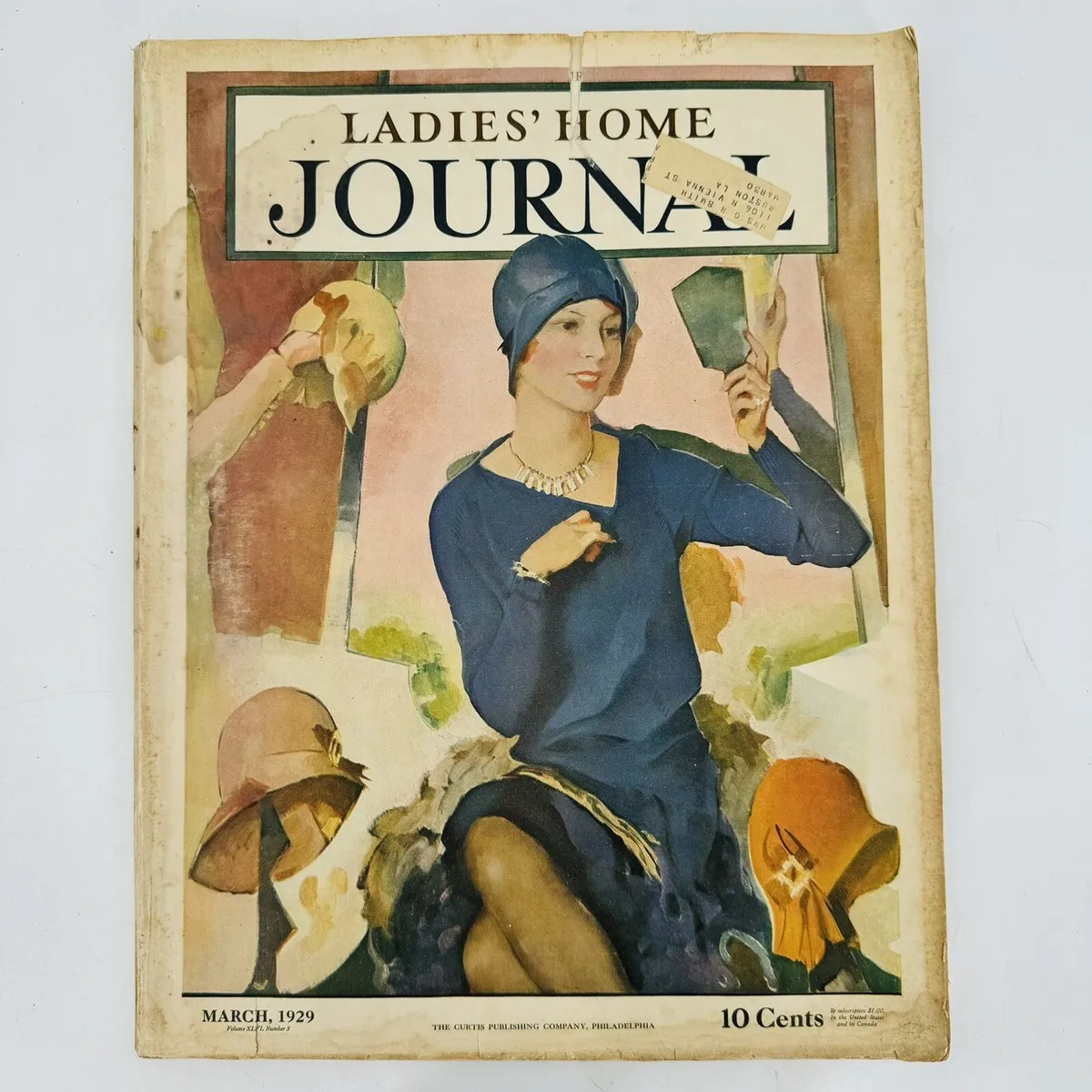 Photo: Ladies' Home Journal, via i.ebayimg.com
The timing was not accidental. The editorial aligned with a broader public health and domestic reform movement that was actively trying to modernize American home life. Ventilation, sunlight, and daily use were being promoted as ideals. The formal, closed-off, death-associated parlor was framed as old-fashioned — a relic of Victorian gloom that progressive families should leave behind.
Funeral industry trade groups, simultaneously working to build public acceptance for professional funeral homes, found the cultural shift enormously useful. If death no longer belonged in the home, it belonged in their facilities. The two campaigns — domestic reform and funeral industry professionalization — weren't formally coordinated, but they reinforced each other in ways that proved remarkably effective.
Within a generation, the parlor was gone from the American vocabulary. The living room had taken its place.
What Changed When the Name Changed
The renaming did more than update a word. It fundamentally altered how Americans designed, furnished, and used their homes. The living room, unlike the parlor, was meant to be occupied daily. Furniture became more comfortable and less ceremonial. The room opened up — literally, as open floor plans became more common in mid-century home design. Families started actually spending time in the front room rather than saving it for formal occasions.
Furniture retailers benefited enormously. A room meant for living required more furniture, more varied furniture, and furniture that wore out through actual use and needed replacing. The American furniture industry grew dramatically through the 1920s and 1930s partly because the living room concept created a new category of domestic consumption.
Meanwhile, death moved quietly into a parallel infrastructure — funeral homes, cemeteries, hospitals — that most Americans now interact with only at specific, bounded moments. The idea of keeping a body in your home feels, to most people today, genuinely shocking. That shift in feeling happened within about two generations, driven by a combination of public health messaging, industry marketing, and a single well-timed magazine editorial.
A Room With a Hidden History
The living room is so ordinary that it barely registers as a choice. Of course the front room is for living. Of course that's where the couch goes, where the family gathers, where guests are welcomed. It feels like it was always this way.
It wasn't. Somebody decided it should be this way, for reasons that had as much to do with commerce and public relations as with any organic shift in how people wanted to live. The room you're probably sitting in right now has a stranger history than its comfortable furniture suggests.