When Uncle Sam's Hand-Me-Downs Built America's Adventure Empire
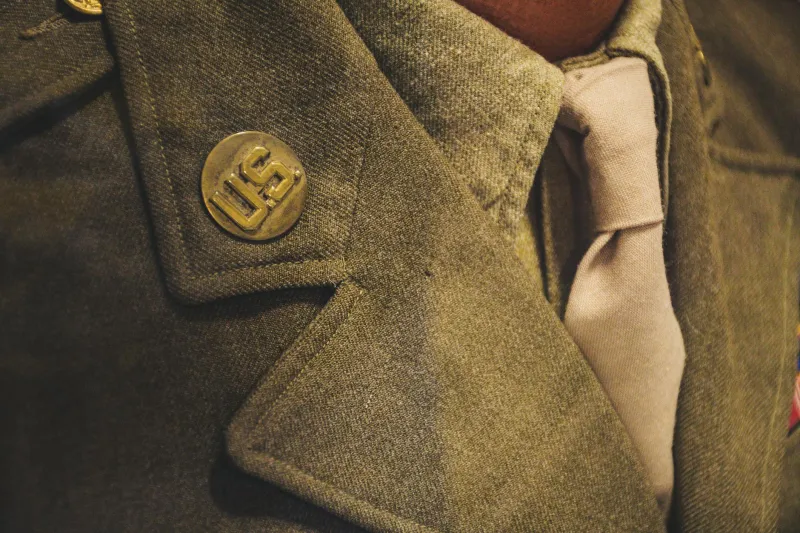
In 1945, the United States military faced an unusual logistical nightmare. After mobilizing the largest fighting force in human history, the war was suddenly over, leaving behind warehouses packed with millions of parkas, field jackets, and weatherproof gear designed for combat in every climate from the Pacific islands to European winters.
The Great Military Clearance Sale
The government's solution was simple: sell it all off as cheaply as possible. Army surplus stores popped up in cities across America, hawking everything from wool blankets to insulated jackets for a fraction of their original cost. What military quartermasters saw as excess inventory, a generation of outdoor enthusiasts saw as affordable gear they could never have purchased otherwise.
Before the war, outdoor recreation was largely the domain of wealthy Americans who could afford custom-made equipment from specialized European manufacturers. A quality mountaineering jacket might cost the equivalent of several hundred dollars in today's money — far beyond the reach of most working Americans.
The Accidental Pioneers
But those surplus military parkas, designed to keep soldiers warm in foxholes and mountain passes, worked just as well for weekend hikers in the Cascades or rock climbers in Yosemite. The M-1943 field jacket, originally created for paratroopers, became the unofficial uniform of America's emerging outdoor community.
Lloyd and Mary Anderson discovered this firsthand when they founded REI in 1938 as a tiny Seattle buying club for mountaineering gear. After the war, they watched their membership explode as returning veterans and adventure-seeking civilians flocked to surplus stores for affordable outdoor equipment. The Andersons realized they were witnessing the birth of something unprecedented: outdoor recreation as a mainstream American activity.
From Battlefield to Boardroom
Eddie Bauer had a similar revelation. His small Seattle shop had been making custom outdoor gear since 1920, but the post-war surplus boom showed him there was massive untapped demand for functional outdoor clothing. Bauer began reverse-engineering military designs, creating civilian versions of field jackets and insulated parkas that combined military durability with everyday wearability.
The timing was perfect. Americans were experiencing unprecedented prosperity, suburban growth, and leisure time. The same generation that had fought across Europe and the Pacific was now ready to explore their own country's wilderness — and they had the gear to do it, thanks to Uncle Sam's clearance sale.
The Psychology of Surplus
What made military surplus so appealing wasn't just the price. These garments carried an aura of proven performance and rugged authenticity that resonated with American consumers. If a jacket could protect a soldier in the Battle of the Bulge, it could certainly handle a camping trip in the Rockies.
This psychological connection between military functionality and outdoor adventure became the foundation of American outdoor marketing. Even today, outdoor brands emphasize "tactical" features, "field-tested" durability, and "mission-ready" performance — language that traces directly back to those post-war surplus stores.
The Billion-Dollar Accident
By the 1960s, companies like REI, Eddie Bauer, and newcomers like Patagonia and The North Face had transformed a government liquidation problem into a thriving industry. What started as Americans making do with leftover military gear had evolved into a sophisticated market for specialized outdoor equipment.
Today, the outdoor recreation industry generates over $850 billion annually in the United States alone. Americans spend more on outdoor gear and activities than they do on pharmaceuticals, fueling everything from small-town gear shops to publicly traded corporations.
The Legacy Lives On
The influence of those original surplus garments extends far beyond outdoor recreation. The utilitarian aesthetic of military field jackets influenced decades of fashion, from 1960s counterculture to modern streetwear. The M-65 field jacket, originally designed for Vietnam-era soldiers, remains a staple in both outdoor gear catalogs and high-fashion collections.
More importantly, the post-war surplus boom democratized outdoor adventure in America. What had once been an elite pursuit became accessible to middle-class families, fundamentally changing how Americans think about recreation, fitness, and their relationship with nature.
The next time you zip up a fleece jacket or strap on a hiking backpack, remember that you're participating in an industry that began with a simple government surplus sale — and a generation of Americans who saw adventure hiding in a pile of old Army coats.