How Measuring Soldiers for War Accidentally Invented Your Wardrobe
Walk into any American clothing store today and you'll find racks organized by size: small, medium, large, or numerical measurements like 32x34 or size 8. This system seems so natural that it's hard to imagine shopping any other way. But before 1861, the idea of standardized clothing sizes literally didn't exist in America. Every garment was made to fit one specific person — until a war changed everything.
The Custom-Made Country
In pre-Civil War America, getting dressed meant one of two things: making clothes yourself or hiring someone to make them for you. Wealthy Americans employed tailors who would take dozens of measurements to create perfectly fitted garments. Middle-class families typically made their own clothing at home, using patterns and techniques passed down through generations. Even the poorest Americans usually wore homemade or hand-me-down clothes altered to fit.
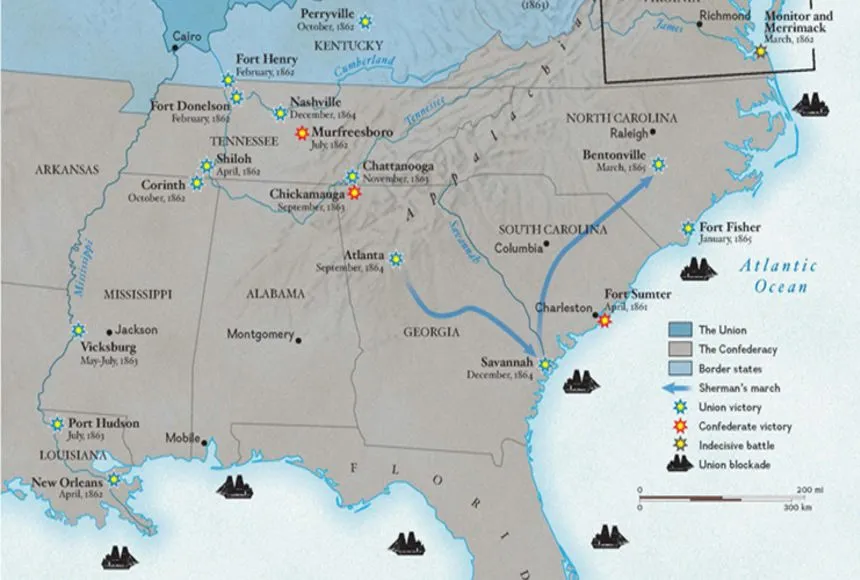 Photo: Civil War, via images.nationalgeographic.org
This system worked fine for a largely rural, small-town society where most people knew their local seamstress or tailor personally. But it created an interesting problem: there was no such thing as ready-to-wear clothing. You couldn't walk into a store and buy a shirt that would definitely fit.
The Uniform Crisis
When the Civil War erupted in 1861, both the Union and Confederate armies faced an unprecedented logistical nightmare. The Union alone needed to clothe, equip, and arm over two million men during the course of the war — more people than had ever been outfitted by any organization in human history.
The traditional approach of having each soldier's uniform custom-made was obviously impossible. The military needed thousands of uniforms produced quickly and cheaply, which meant manufacturers had to figure out how to make clothes that would fit men they'd never met.
The Great Measurement Project
Union quartermasters launched what amounted to the largest anthropometric study in American history. Military tailors and contractors began systematically measuring soldiers — not just chest and waist, but arm length, shoulder width, neck circumference, and dozens of other dimensions.
For the first time, Americans had data about how bodies actually varied across a large population. They discovered patterns that had never been documented: that certain chest measurements typically correlated with specific arm lengths, that waist sizes fell into predictable ranges, and that the majority of men clustered around certain standard proportions.
This data became the foundation of the first American sizing charts. Manufacturers developed categories like "large," "medium," and "small" based on the most common measurements they'd recorded from thousands of soldiers.
From Battlefield to Main Street
After the war ended in 1865, clothing manufacturers faced another challenge: what to do with all the infrastructure they'd built to mass-produce uniforms. Factories that had been cranking out military clothing needed new markets, and they had something unprecedented to offer: ready-made civilian clothes in standardized sizes.
The timing was perfect. Post-war America was experiencing rapid urbanization and economic growth. Men moving to cities for factory jobs didn't have time to visit tailors for custom clothing. Women entering the workforce needed affordable, practical garments. The emerging middle class wanted fashionable clothes without the expense of custom tailoring.
Manufacturers began applying their wartime sizing systems to civilian clothing. A man who knew he wore a "medium" military uniform could now walk into a store and buy a civilian shirt in the same size with reasonable confidence it would fit.
The Democratization of Fashion
This shift from custom to ready-made clothing had profound social implications. For the first time in American history, ordinary people could afford to own multiple outfits and follow fashion trends. A factory worker could buy a ready-made suit that looked similar to what a wealthy businessman wore, even if the quality differed.
Women's fashion was transformed even more dramatically. The development of standardized dress sizes, based partly on measurements taken from women working in wartime factories, made fashionable clothing accessible to middle-class women who had previously worn homemade dresses.
Department stores like Macy's and Wanamaker's built their business models around this new reality. They could stock hundreds of garments in standard sizes, knowing that customers could find something that fit without custom alterations.
The Imperfect Science
Of course, the early sizing systems were far from perfect. They were based primarily on measurements of young, fit soldiers, which didn't necessarily represent the broader American population. Women's sizes were often guesswork, since fewer women had been measured during the war.
The lack of industry standards also created confusion. A "medium" from one manufacturer might fit completely differently than a "medium" from another company — a problem that persists today, over 160 years later.
The Modern Legacy
The Civil War sizing system evolved into the complex array of sizing standards we use today. The original military measurements influenced everything from modern menswear sizing to the development of children's clothing sizes in the early 20th century.
More importantly, the war accidentally created the entire concept of mass-market fashion. The idea that clothes could be manufactured in advance and sold to anonymous customers revolutionized not just how Americans dressed, but how they thought about personal style and social status.
The Unintended Revolution
Today's $350 billion American clothing industry traces its origins directly to those Civil War measurements. Fast fashion, online shopping, and global clothing brands all depend on the standardized sizing system that emerged from wartime necessity.
The next time you grab a shirt in your usual size without thinking twice about whether it will fit, remember that you're benefiting from a system created by military quartermasters trying to clothe an army. What started as a practical solution to a wartime logistics problem accidentally ended the era of custom clothing and made the modern American closet possible.
In a sense, every time you shop for clothes, you're participating in a system that began with measuring soldiers for war — and accidentally revolutionized how Americans get dressed for everything else.