The Shy Merchant Who Accidentally Invented Shopping as We Know It
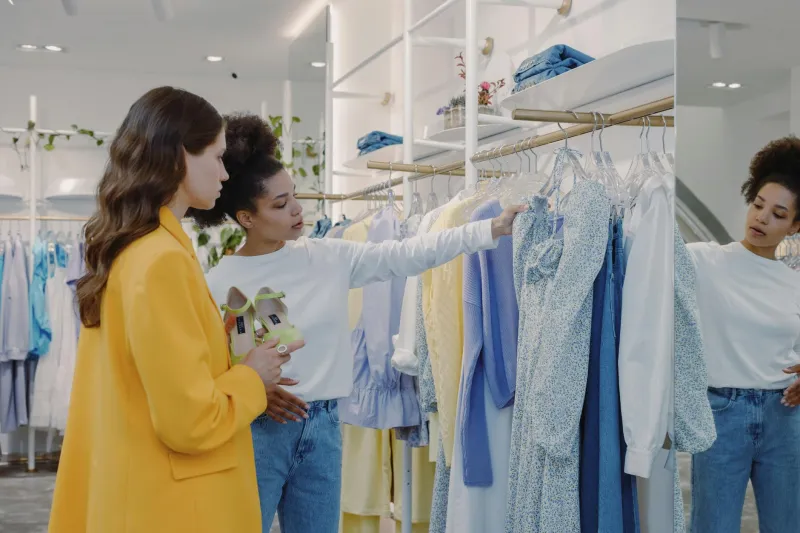
Imagine walking into a store, pointing at a dress or suit, paying full price, and leaving—without ever trying it on. No mirrors, no changing rooms, no "let me see how this looks." Just guesswork, prayer, and a lot of disappointed customers returning home with clothes that didn't fit.
This was American retail for most of the 19th century. Shopping for clothes was essentially gambling, and both customers and merchants hated it. Then, in 1860, a nervous New York City shopkeeper named Samuel Lord made a decision that would accidentally revolutionize how Americans buy clothes forever.
 Photo: Samuel Lord, via c8.alamy.com
When Shopping Was Pure Speculation
Before the fitting room existed, buying clothing was an exercise in hope and mathematics. Customers would estimate their measurements, describe their size to shop clerks, and cross their fingers that whatever they purchased would actually fit when they got home.
Most clothing stores operated like general goods shops. Garments hung on hooks or sat folded on shelves. Customers pointed to what they wanted, paid the asking price, and left. The idea of trying anything on was considered inappropriate, impractical, and impossible—most shops barely had space for merchandise, let alone private changing areas.
The results were predictably disastrous. Returns were constant. Customers regularly showed up with clothes that were too long, too short, too tight, or too loose, demanding refunds or exchanges. Merchants spent enormous amounts of time and money dealing with ill-fitting inventory.
Women faced additional challenges. Victorian social norms made it nearly impossible for them to discuss fit or sizing with male shop clerks. They often had to bring detailed measurements written by dressmakers or rely on female relatives to make purchases for them.
The Nervous Innovation
Samuel Lord was not a natural retailer. A quiet, anxious man who had reluctantly inherited his father's small dry goods shop on Catherine Street in lower Manhattan, Lord was uncomfortable with the confrontational nature of 1860s retail. He hated arguing with customers about returns. He disliked the constant negotiations over sizing and fit.
More importantly, Lord was losing money. His shop was hemorrhaging cash on returns and exchanges, and customer complaints were driving away business. Something had to change, but Lord was too shy to implement the aggressive sales tactics his competitors used.
Instead, he tried something unprecedented. In the back corner of his cramped shop, Lord installed a simple wooden partition with a curtain. He put up a small sign: "Ladies may examine garments privately before purchase."
It was a desperate move born from social anxiety, not business genius. Lord simply wanted to avoid uncomfortable conversations about fit and sizing. He had no idea he was about to transform American commerce.
The Revolution Behind the Curtain
The response was immediate and overwhelming. Women who had never been able to properly evaluate clothing before purchase flocked to Lord's shop. For the first time, they could see how garments actually looked and felt on their bodies before spending money.
Word spread through New York's social networks. Lord's tiny fitting room became the talk of ladies' circles across Manhattan. Women traveled from Brooklyn and New Jersey just to experience this new way of shopping.
But the real revolution wasn't just convenience—it was psychological. The fitting room transformed shopping from a risky transaction into an experience. Customers began spending more time in stores, trying multiple items, comparing options. They started buying more because they could be confident in their purchases.
Lord's sales tripled within six months. More importantly, his returns dropped to nearly zero. Other merchants took notice.
The Spread Across America
By 1865, fitting rooms were appearing in shops across New York City. Department stores like A.T. Stewart and R.H. Macy began installing elaborate dressing rooms with mirrors, seating areas, and dedicated female attendants.
The concept spread west with the railroad boom. Chicago's Marshall Field's opened with multiple fitting rooms in 1868. San Francisco's Emporium followed suit in 1876. By the 1880s, any clothing store without fitting rooms was considered hopelessly outdated.
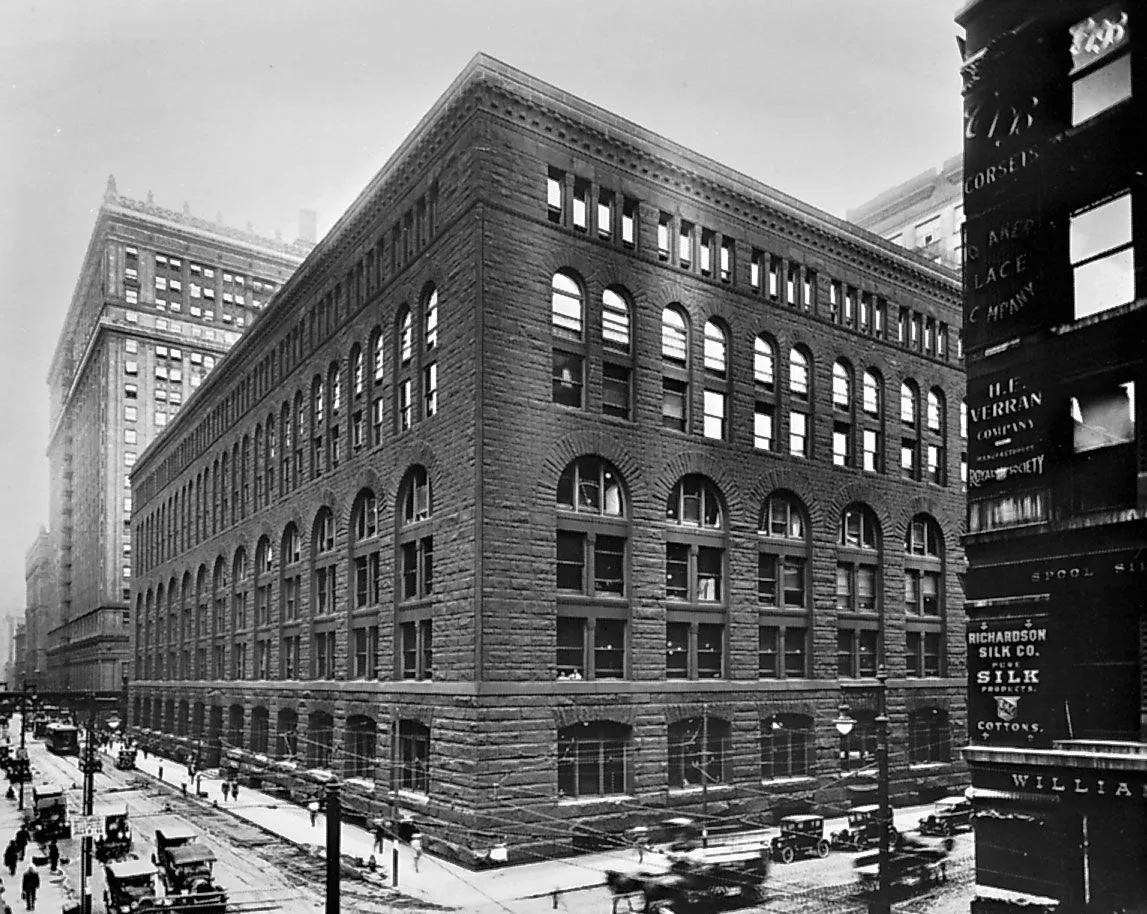 Photo: Marshall Field's, via cdn.britannica.com
The fitting room also accelerated the growth of ready-to-wear clothing. When customers could try on garments before buying, manufacturers gained confidence in producing standardized sizes. This feedback loop helped create the American fashion industry as we know it.
Engineering the Experience
Early fitting rooms were simple affairs—wooden partitions with curtains or basic doors. But as competition intensified, retailers began investing in elaborate dressing room experiences.
Macy's installed the first three-way mirrors in 1887. Bloomingdale's added cushioned seating and electric lighting in the 1890s. By 1900, high-end department stores featured fitting rooms that resembled luxury hotel suites, complete with carpeting, wallpaper, and personal attendants.
The fitting room also created new retail jobs. Department stores hired female assistants whose sole job was managing dressing rooms, helping customers with difficult garments, and providing styling advice. This professionalized the shopping experience and made it more comfortable for women customers.
The Unintended Consequences
Lord's nervous innovation had consequences he never anticipated. The fitting room fundamentally changed the relationship between customers and clothing. Shopping became entertainment, not just necessity.
Department stores discovered that customers who used fitting rooms spent significantly more money and time shopping. This led to the development of modern retail psychology—the science of store layouts, lighting, and customer experience that drives shopping behavior today.
The fitting room also democratized fashion. When customers could see how clothes actually looked on their bodies, they became more adventurous with styles and colors. This helped break down rigid Victorian dress codes and contributed to the fashion revolution of the early 20th century.
The Accidental Legacy
Samuel Lord never intended to revolutionize American retail. He just wanted to avoid awkward conversations about clothing sizes. But his simple wooden partition with a curtain created the template for modern shopping that we still use today.
Every time you step into a fitting room—whether at Target, Nordstrom, or a small boutique—you're participating in a retail ritual that began with one nervous shopkeeper's attempt to make his job less stressful.
The fitting room remains one of the most important spaces in American commerce, unchanged in its basic function despite 160 years of retail evolution. It's proof that sometimes the most revolutionary ideas come not from grand business strategies, but from simple human needs: the desire to know that what you're buying will actually work for you.