The Mirror Trick That Made America Impatient Forever
Stand in any elevator today and you'll likely see your reflection staring back at you. Those mirrors seem like a natural design choice — a way to make small spaces feel larger, perhaps, or help people check their appearance before important meetings. But the real reason elevators have mirrors reveals something much more fascinating about American psychology and our relationship with time.
The Complaint That Changed Everything
In the 1870s, as New York's first skyscrapers rose above the city, building owners faced an unexpected crisis. Their shiny new passenger elevators were generating furious complaints from tenants and visitors. The problem wasn't mechanical failure or safety concerns — it was waiting.
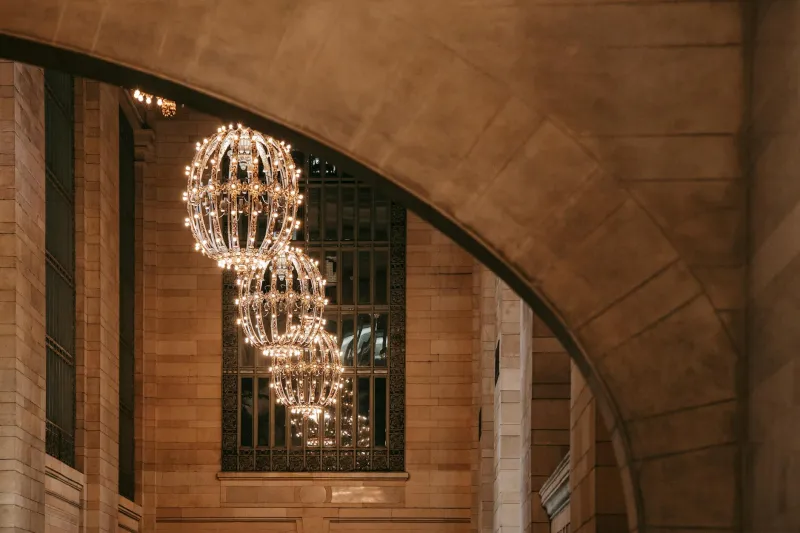
 Photo: New York, via img3.goodfon.com
People standing in elevator lobbies for what we'd now consider perfectly reasonable wait times — often less than two minutes — were becoming genuinely angry. They complained to building managers, threatened to find office space elsewhere, and generally made life miserable for anyone responsible for vertical transportation.
The strange part? These same people would happily wait much longer for horse-drawn carriages or walk up multiple flights of stairs without complaint. Something about standing still, watching elevator floor indicators, made Americans uniquely impatient.
The Genius of Distraction
Building owners tried various solutions. They installed benches (people complained about the wait while sitting). They posted building directories (people still fumed while reading). They hired elevator operators to make small talk (people found this annoying too).
Then someone — history doesn't record exactly who — had a brilliant idea: install mirrors in elevator lobbies and inside the elevators themselves. The effect was immediate and remarkable. Complaints about wait times plummeted, even though actual wait times remained exactly the same.
People, it turned out, were perfectly content to wait as long as they had something to occupy their minds. Checking their appearance, adjusting their clothing, or simply watching other people became an acceptable way to pass those crucial seconds and minutes.
The Birth of Instant Gratification Culture
What building owners didn't realize was that they had accidentally discovered something profound about American psychology. The mirror solution revealed that Americans weren't just impatient — they expected their environment to accommodate that impatience.
This was a fundamentally new cultural expectation. For most of human history, waiting was simply part of life. You waited for seasons to change, for crops to grow, for letters to arrive by horse or ship. But industrial America was creating a new relationship with time, where efficiency and speed became measures of progress and success.
The elevator mirror phenomenon became a template for managing American impatience that spread far beyond building lobbies.
The Fast Food Revolution
Ray Kroc, the man who turned McDonald's into a global empire, understood this psychology instinctively. When he designed the McDonald's system in the 1950s, he didn't just focus on making food faster — he focused on managing the perception of speed.
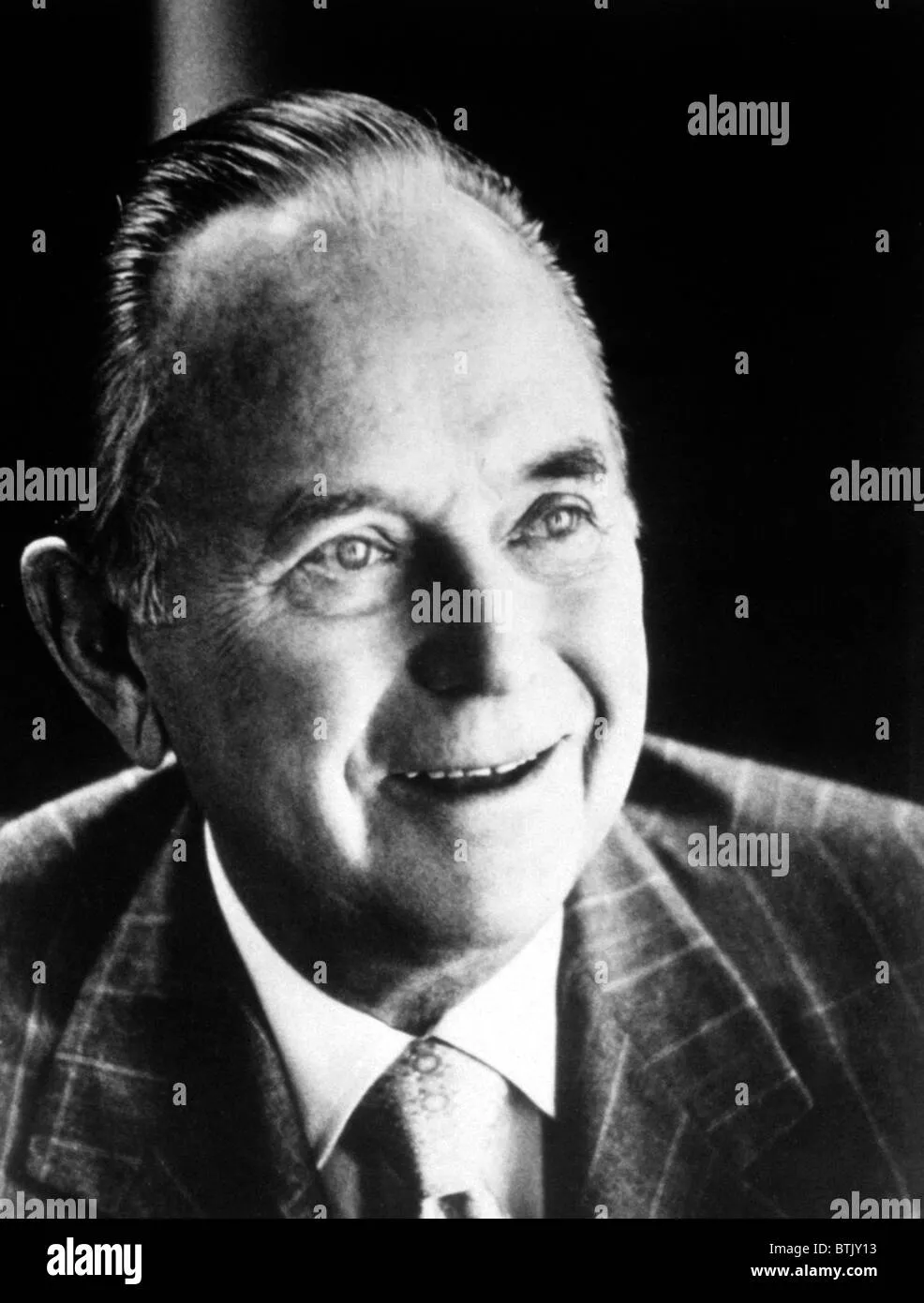 Photo: Ray Kroc, via c8.alamy.com
McDonald's kitchens were designed to be visible from the counter, so customers could see their food being prepared. Drive-through windows eliminated the psychological burden of waiting inside. Even the famous "two all-beef patties" jingle served partly as a distraction technique, giving customers something to think about while their order was assembled.
Kroc had essentially applied the elevator mirror principle to hamburgers: keep people's minds occupied, and they'll tolerate wait times that would otherwise seem intolerable.
The Digital Acceleration
The same psychology that made elevator mirrors effective helps explain why Americans adapted so quickly to digital conveniences that would have seemed impossibly futuristic just decades earlier. Email, instant messaging, same-day delivery, streaming video — each innovation reduced wait times while simultaneously making remaining delays feel more frustrating.
Consider the loading bar, that ubiquitous digital descendant of the elevator mirror. Software designers discovered that people would tolerate longer wait times if they could see progress happening, even if the bar didn't accurately reflect actual loading speed. The distraction principle that solved elevator complaints in the 1870s became essential to user experience design in the 21st century.
The Smartphone Solution
Today's smartphones represent the ultimate evolution of the elevator mirror concept. Americans now carry pocket-sized distraction devices that make almost any wait time tolerable. Standing in line, riding in cars, even sitting in meetings — smartphones provide the constant mental stimulation that our elevator-mirror-trained psychology demands.
This shift has profound implications for how Americans experience time and space. We've become a culture that expects dead time to be eliminated or filled, where boredom is treated as a problem to be solved rather than a natural part of human experience.
The Unintended Consequences
The elevator mirror solution was brilliant, but it came with costs that nobody anticipated in the 1870s. By teaching Americans that wait times should be managed rather than accepted, it contributed to a cultural acceleration that now feels inescapable.
We live in an economy built around eliminating friction and delay, where two-day shipping feels slow and buffering videos cause genuine frustration. The same psychology that made people furious about elevator wait times now makes us impatient with anything that doesn't happen instantly.
Those mirrors in elevators still serve their original purpose, keeping riders calm during short vertical journeys. But they also represent something larger: the moment American culture decided that time was too valuable to waste, even for a few seconds, and that our environment should adapt to accommodate our impatience rather than teaching us patience.
The next time you check your reflection in an elevator mirror, remember that you're participating in a 150-year-old experiment in managing human psychology — one that accidentally shaped the modern American relationship with time, convenience, and the expectation that everything should happen right now.