The Military Fabric Nobody Wanted That Became America's Comfort Obsession
The Fabric That Failed Its First Job
Walk into any American home on a Saturday morning, and you'll find someone wearing fleece. Maybe it's a zip-up jacket grabbed from the closet, or those impossibly soft sweatpants that have become the unofficial uniform of remote work. Fleece is everywhere — so common we barely notice it anymore.
But fleece wasn't supposed to be loungewear. It was designed to be serious outdoor gear, a high-tech replacement for wool that would keep soldiers and mountaineers warm in the harshest conditions. The fact that it ended up as America's favorite couch fabric is one of the most accidental success stories in textile history.
When Synthetic Met Skeptical
The story begins in 1979 at Malden Mills, a Massachusetts textile company that had been making fabrics since the 1800s. The company's engineers were working on a problem that had plagued outdoor enthusiasts for centuries: wool was warm, but it was also heavy, slow to dry, and useless when wet.
 Photo: Malden Mills, via roadtripsandsuitcases.com
Their solution was revolutionary — a synthetic fabric made from polyester that mimicked wool's insulating properties while being lighter, faster-drying, and warm even when soaked. They called it Polar Fleece, and they were convinced it would change everything.
They were right, but not in the way they expected.
The Great Rejection Tour
Malden Mills took their miracle fabric to every industry they thought would want it. The military? Not interested. Serious outdoor gear companies? They stuck with traditional materials. Even wool manufacturers, who you'd think would be worried about competition, largely ignored the upstart synthetic.
The problem wasn't the fabric's performance — it worked exactly as advertised. The issue was perception. In the late 1970s, synthetic fabrics had a cheap, artificial reputation. Polyester meant leisure suits and uncomfortable office wear, not serious outdoor gear. Nobody wanted to bet their reputation on plastic fabric, no matter how clever.
The Patagonia Gamble
Everything changed when Yvon Chouinard, founder of Patagonia, decided to take a chance on fleece. Chouinard was a climber who understood the limitations of traditional materials, and he saw potential where others saw plastic.
 Photo: Yvon Chouinard, via i.pinimg.com
Patagonia's first fleece jackets, introduced in 1985, were an immediate hit with their core customers — serious outdoor enthusiasts who cared more about performance than tradition. The fabric's warmth-to-weight ratio was unbeatable, and its ability to insulate when wet made it perfect for unpredictable mountain conditions.
But something unexpected happened. The jackets didn't stay in the mountains.
The Suburban Migration
Fleece's journey from mountaineering gear to mainstream fashion happened gradually, then all at once. Outdoor enthusiasts brought their Patagonia jackets to the office. College students discovered that fleece was perfect for dorm rooms and late-night study sessions. Suburban parents found that fleece jackets were ideal for soccer games and school pickup.
By the 1990s, fleece had become the unofficial uniform of casual America. It was comfortable enough for lounging, respectable enough for errands, and warm enough for outdoor activities. Most importantly, it felt approachable in a way that technical outdoor gear usually didn't.
The Psychology of Soft
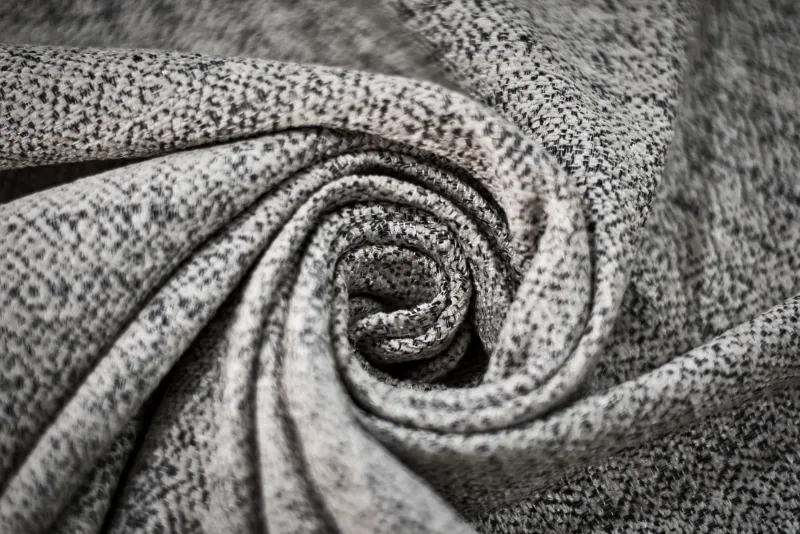
What made fleece so addictive wasn't just its practical benefits — it was the way it felt. The fabric's soft, almost plush texture triggered something primal in human psychology. Wearing fleece felt like being wrapped in a blanket, even when you were fully dressed.
This wasn't an accident. The manufacturing process that created fleece's signature texture — brushing the fabric to create tiny air pockets — was originally designed for insulation. But it had an unexpected side effect: it made the fabric incredibly tactilely pleasant.
The Comfort Revolution
Fleece arrived at exactly the right moment in American culture. The 1990s saw the rise of "athleisure" — the idea that athletic and casual wear could blend together. Fleece fit perfectly into this new category, technical enough to feel purposeful but soft enough for everyday comfort.
The fabric also coincided with Americans' growing obsession with casual Friday, work-from-home culture, and the general relaxation of dress codes. Fleece became the bridge between looking put-together and feeling comfortable.
The Accidental Empire
Today, fleece is a multi-billion-dollar industry. It's used in everything from high-end outdoor gear to discount store basics. The fabric that serious industries initially rejected has become one of the most successful synthetic textiles in history.
Malden Mills, the company that invented fleece, eventually went bankrupt in 2001 — partly because they had sold the technology so widely that they couldn't compete with cheaper manufacturers. But their accidental creation lives on in millions of American closets.
Why We Can't Let Go
Fleece's dominance in American wardrobes reveals something important about how we live now. In an increasingly complex world, we're drawn to things that offer simple comfort. Fleece delivers that in textile form — it's uncomplicated, reliable, and makes us feel good.
The fabric that was supposed to conquer mountains ended up conquering something much more valuable: the American weekend. Sometimes the best innovations aren't the ones that change the world dramatically, but the ones that make everyday life just a little bit more comfortable.
Every time you reach for that fleece jacket, you're participating in one of the most successful accidents in fashion history — the moment when military-grade performance met suburban-level comfort, and nobody could resist the combination.