How Uncle Sam's Leftover War Gear Built the Great American Getaway
The Problem Nobody Saw Coming
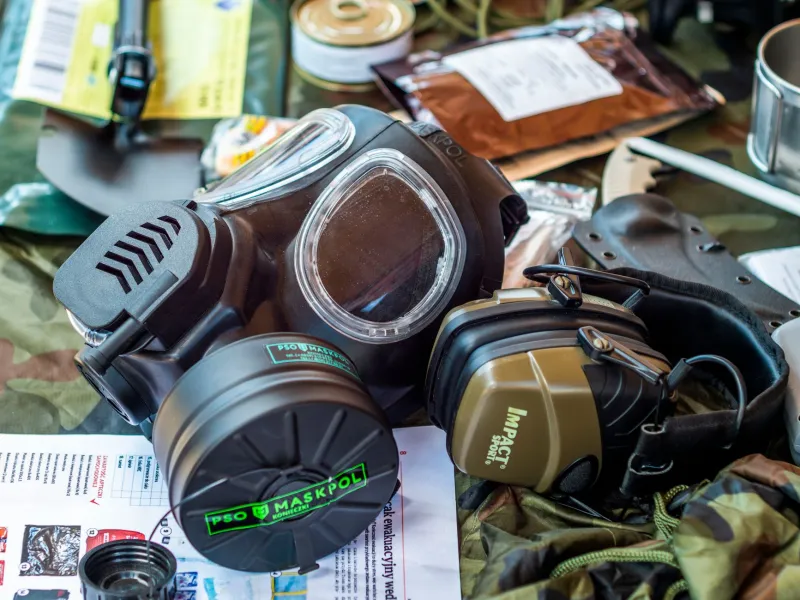
Picture this: It's 1945, the war is over, and the U.S. government is sitting on the world's largest pile of camping equipment. We're talking about millions of canvas pup tents, wool blankets thick enough to stop bullets, portable stoves that could cook for entire platoons, and enough mess kits to feed a small country. The military had spent years perfecting gear that could keep soldiers alive in any climate, anywhere in the world. Now they had a new enemy: storage costs.
The War Assets Administration faced a logistical nightmare. These weren't just random supplies—this was high-quality gear that had been battle-tested across Europe and the Pacific. But with peacetime budgets and no need for equipment designed for millions of soldiers, the government made a decision that would accidentally reshape American leisure forever: sell it all to the public, dirt cheap.
When Army Surplus Met Main Street
What happened next was pure economics meeting pent-up wanderlust. For nearly four years, Americans had been rationing everything from sugar to gasoline. Travel had been restricted, new cars were impossible to buy, and the idea of a family vacation was mostly a memory. Suddenly, you could walk into a surplus store and buy a tent that had sheltered GIs in France for less than the cost of a nice dinner.
The gear was incredible by civilian standards. These weren't the flimsy canvas shelters you might find at a general store. Military tents were engineered to withstand everything from desert sandstorms to European winters. The sleeping bags were filled with down that could keep you warm in subzero temperatures. The cooking equipment was designed to work reliably under the worst possible conditions.
But here's where it gets interesting: nobody really knew how to market this stuff to regular families. The surplus stores just piled it high and priced it low, assuming it would appeal to hunters and fishermen. They had no idea they were about to accidentally invent an entire industry.
The Birth of the Weekend Warrior
Americans in the late 1940s were experiencing something unprecedented: leisure time and disposable income. The post-war economy was booming, the 40-hour work week was becoming standard, and for the first time in years, gasoline was flowing freely. When these newly prosperous families stumbled across military-grade camping equipment at bargain prices, something clicked.
The timing was perfect. The Interstate Highway System was beginning to take shape, national parks were reopening after wartime restrictions, and car manufacturers were cranking out station wagons designed for family adventures. Military surplus didn't just provide the gear for these trips—it provided the confidence. If this tent could protect a soldier in a foxhole, it could definitely handle a weekend at Yellowstone.
 Photo: Interstate Highway System, via maville.com
From Battlefield to Backyard
The influence went deeper than just equipment. Military gear came with an ethos: be prepared, travel light, make do with what you have. These weren't concepts that civilian camping culture had really embraced before. Pre-war camping was often an elaborate affair involving servants, multiple trunks, and semi-permanent installations. Military surplus introduced the idea that adventure should be portable, self-sufficient, and accessible.
Families started planning trips around what they could carry in their surplus gear. The limitations became part of the appeal—there was something satisfying about packing everything you needed into a military rucksack and hitting the road. The gear forced a kind of democratic simplicity that made camping accessible to middle-class families who might never have considered it before.
The Ripple Effect
By the 1950s, camping had exploded from a niche hobby into a full-blown American tradition. Equipment manufacturers started designing civilian gear based on military specifications. The Boy Scouts embraced surplus equipment as both practical and character-building. National park attendance skyrocketed as families discovered they could afford to explore the country with gear that cost less than a hotel stay.
The aesthetic stuck too. That military olive drab color became synonymous with serious outdoor gear. Canvas and khaki became the unofficial uniform of American adventure. Even today, outdoor brands deliberately echo military design because we still associate that look with reliability and authenticity.
The Legacy We Live With
That post-war surplus sale did more than clear out government warehouses—it democratized the American outdoors. Before World War II, camping was largely the domain of wealthy sportsmen or dedicated outdoorsmen. Military surplus made it accessible to anyone with a car and a weekend.
The road trip culture that emerged from this period became one of America's most distinctive cultural exports. The idea that you could pack up your gear and drive anywhere, sleep anywhere, and be completely self-sufficient became part of the national identity. It influenced everything from Jack Kerouac's writing to the design of interstate rest stops.
 Photo: Jack Kerouac, via jimcofer.com
Today's massive outdoor recreation industry—worth over $800 billion annually—can trace its roots back to those surplus stores selling leftover war gear. Every time someone loads up their SUV for a weekend camping trip, they're participating in a tradition that started with the government's desperate need to get rid of a bunch of old tents.
Sometimes the most profound cultural changes happen completely by accident. A logistical problem for military bureaucrats became the foundation for how Americans think about freedom, adventure, and the open road. Not bad for a bunch of leftover canvas.