Three Hours of Wire Twisting: The Desperate Morning That Created History's Most Useful Fastener
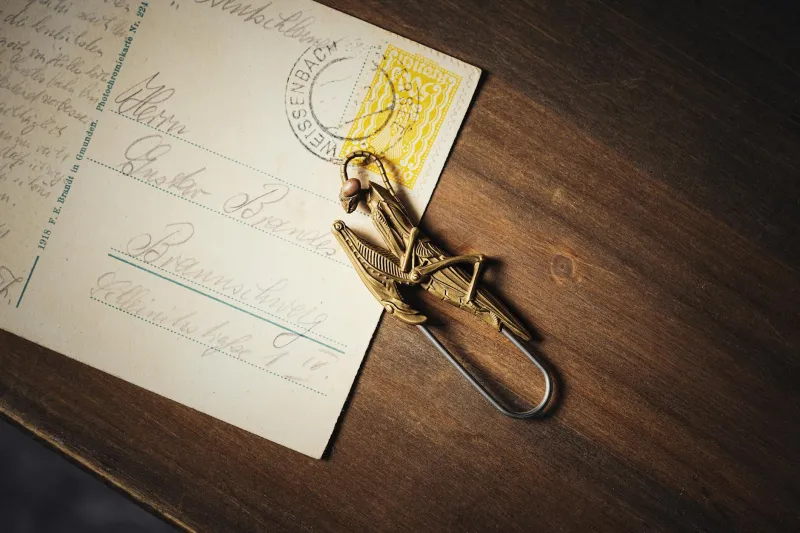
The Fifteen-Dollar Problem
Walter Hunt had a problem. It was 1849, and the New York inventor owed his friend fifteen dollars — not exactly pocket change when most workers earned less than a dollar a day. Hunt needed money fast, and he needed an idea that could generate it even faster.
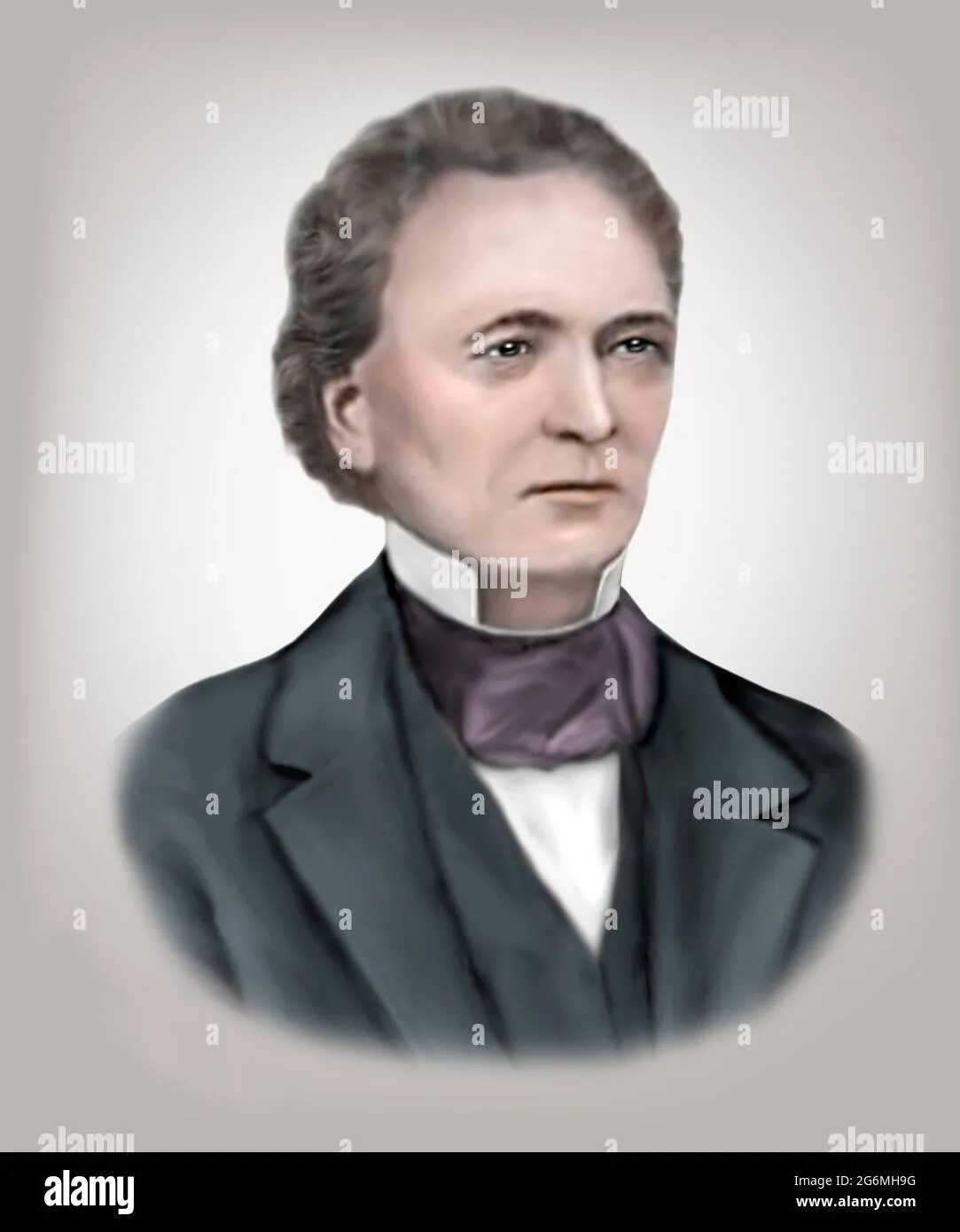 Photo: Walter Hunt, via c8.alamy.com
Sitting at his workbench with nothing but a piece of brass wire, Hunt began what would become the most productive three hours in the history of everyday objects. He twisted, bent, and shaped that wire, trying to create something — anything — that might be worth patenting and selling.
What he didn't know was that those three desperate hours would produce an object so fundamental to human civilization that nearly every person on Earth would eventually use one.
The Wire That Changed Everything
Hunt's breakthrough wasn't complicated. He created a simple fastener with a spring mechanism and a clasp that protected the sharp point. The design was elegant in its simplicity: push the point through fabric, secure it in the clasp, and you had an instant, removable connection.
He called it a "dress pin," though the world would later know it by a different name entirely. The safety pin was born not from careful research or market analysis, but from pure financial desperation and three hours of focused wire-bending.
The invention solved problems Hunt hadn't even been thinking about. Before his creation, people relied on straight pins that could easily slip out or poke the wearer. His design eliminated both dangers while remaining incredibly simple to manufacture.
The Four-Hundred-Dollar Mistake
Hunt needed immediate cash, so he did what seemed logical at the time: he sold the patent rights for $400 to W.R. Grace and Company on April 10, 1849. It was enough to pay his debt with plenty left over, and Hunt walked away thinking he'd made a smart deal.
He couldn't have been more wrong.
W.R. Grace and Company recognized the potential Hunt had missed entirely. They refined the manufacturing process, improved the materials, and began mass production. Within decades, safety pins were everywhere — holding together diapers, securing clothing, fastening bandages, and solving countless small problems in homes across America.
From Necessity to Fashion Statement
The safety pin's journey from practical necessity to cultural icon took more than a century. During the Great Depression, families used them to repair worn clothing that couldn't be replaced. World War II saw them holding together uniforms and securing important documents.
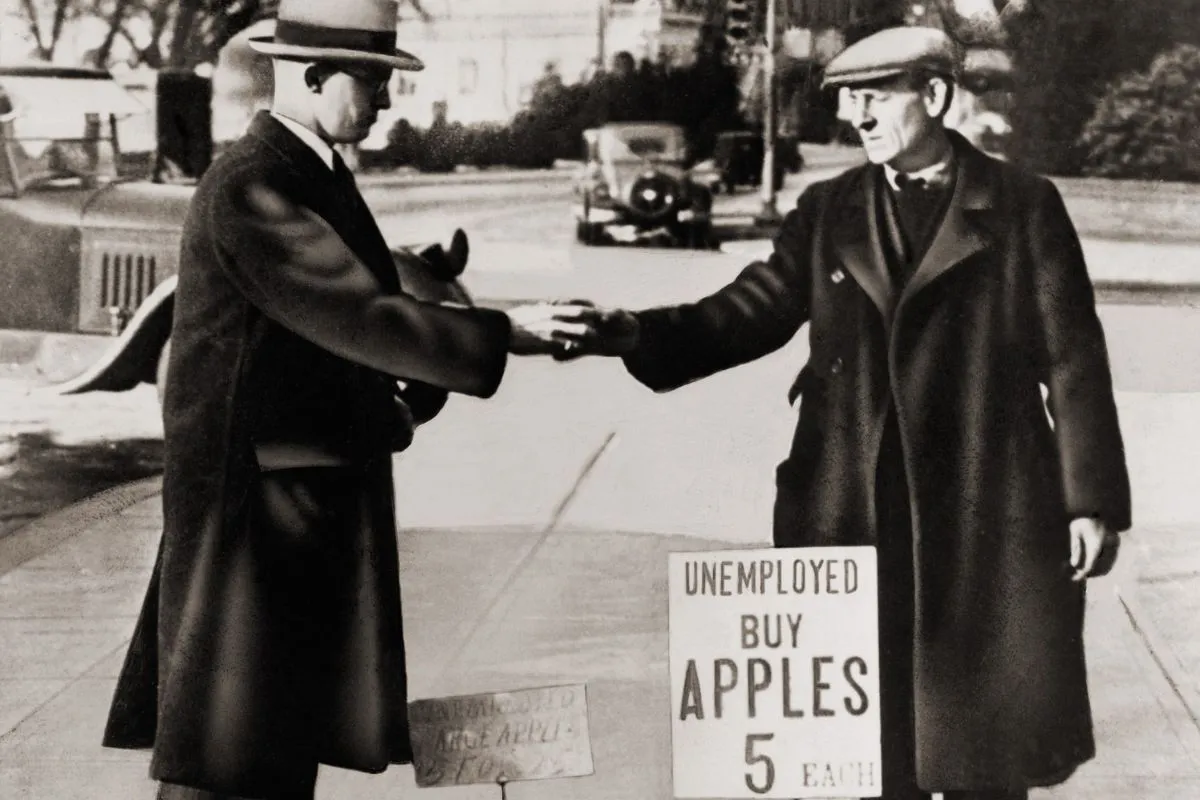 Photo: Great Depression, via www.delhimindclinic.com
But the safety pin's most surprising transformation came in the 1970s, when British punk rockers adopted it as a symbol of rebellion. Suddenly, Hunt's practical fastener became a fashion statement, piercing ears, decorating jackets, and representing an entire countercultural movement.
Designers like Vivienne Westwood elevated the humble safety pin to high fashion, creating jewelry and clothing that celebrated its industrial aesthetic. What started as a debt-solving wire twist had become art.
 Photo: Vivienne Westwood, via media.cnn.com
The Billion-Dollar Industry Hunt Never Saw
Today, billions of safety pins are manufactured annually worldwide. They're used in everything from haute couture fashion shows to emergency first aid, from baby care to military applications. The global fastener industry that Hunt's invention helped spawn is worth tens of billions of dollars.
Modern safety pins come in hundreds of variations — different sizes, materials, and specialized designs for specific industries. There are safety pins for quilting, jewelry making, medical applications, and heavy-duty industrial use. Some are made from surgical steel, others from decorative metals or plastics.
The basic mechanism Hunt created in 1849 remains virtually unchanged. Engineers have tried to improve on his design countless times, but the original concept proved so effective that it's remained the standard for nearly two centuries.
The Everyday Miracle We Ignore
Walk through any American home today, and you'll find safety pins scattered throughout — in sewing kits, first aid supplies, baby changing areas, and junk drawers. We use them without thinking, solving small problems with a tool that represents one man's three-hour solution to a fifteen-dollar debt.
Hunt went on to invent other useful items, including early versions of the sewing machine and repeating rifle. But none of his other creations achieved the universal adoption of his wire-bending session that desperate morning in 1849.
The next time you reach for a safety pin to fix a broken strap or secure a loose button, remember Walter Hunt's frantic morning of wire twisting. In those three hours, necessity didn't just mother invention — it created one of humanity's most enduring and essential tools.