The Clumsy Spill That Built America's Neighborhood Empire
The Accident That Cleaned Up
Jean Baptiste Jolly was having a particularly clumsy day in his Paris dye-works sometime in the 1840s. As he worked among the vats of colorful chemicals and fabrics, he accidentally knocked over a kerosene lamp, sending the fuel splashing across a dirty tablecloth.
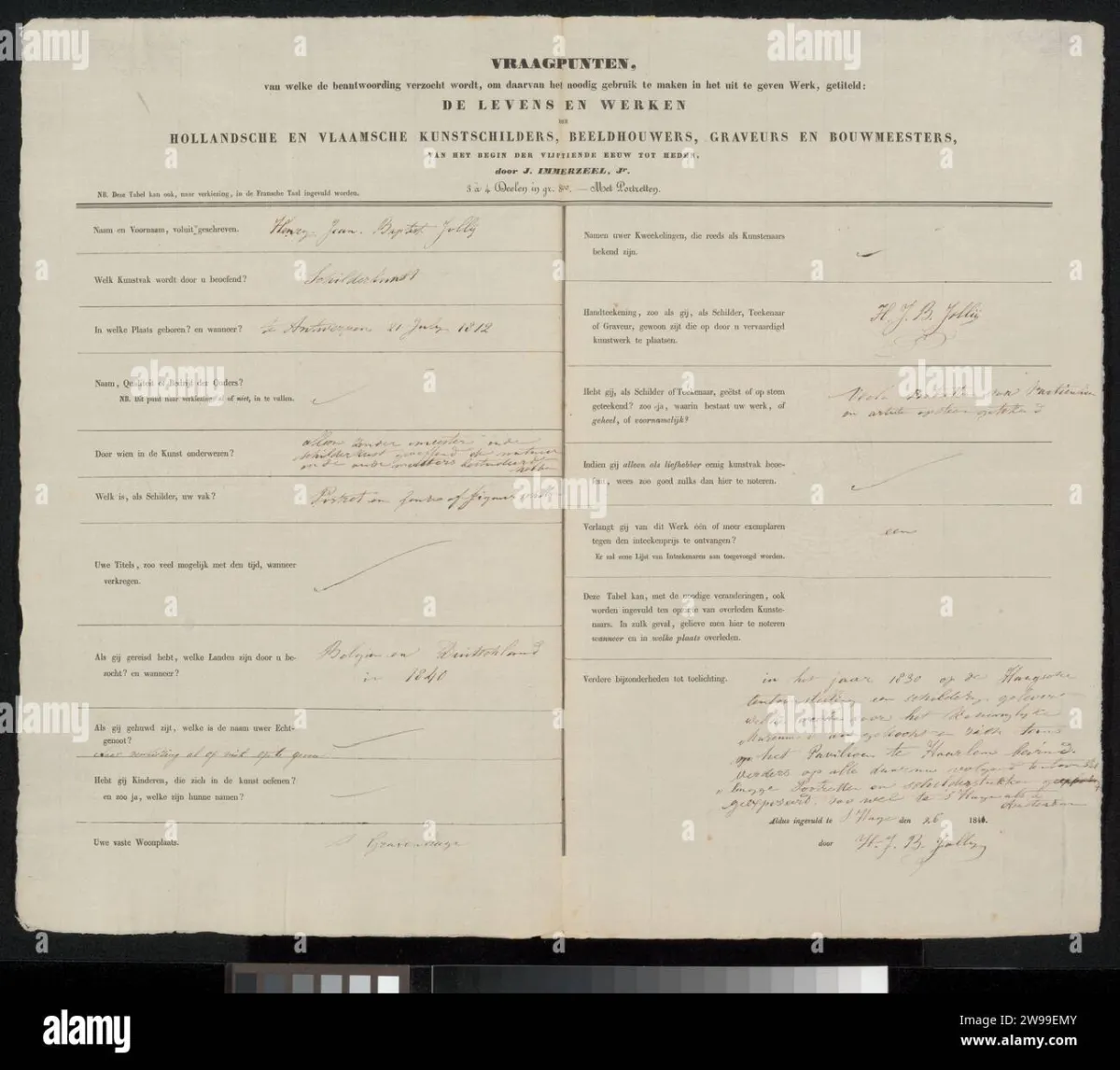 Photo: Jean Baptiste Jolly, via c8.alamy.com
Most people would have cursed their luck and reached for a rag to clean up the mess. But Jolly noticed something peculiar: where the kerosene had soaked into the fabric, the cloth looked cleaner than it had in months. The greasy fuel had somehow lifted stains that soap and water couldn't touch.
That moment of clumsiness would eventually transform how Americans cared for their clothes and create an entire service industry that became as common as corner grocery stores.
From Accident to Industry
Jolly's discovery wasn't entirely accidental — he was already working with chemicals and fabrics, so he had the knowledge to understand what he was seeing. The kerosene was acting as a solvent, dissolving oils and stains that water-based cleaning couldn't handle.
He began experimenting with different solvents and cleaning methods, eventually opening what many consider the world's first dry cleaning business. The term "dry cleaning" itself came from the process — using liquid solvents instead of water to clean fabrics.
Word of this revolutionary cleaning method spread quickly through Paris, then across Europe. By the 1860s, dry cleaning had crossed the Atlantic and begun establishing itself in American cities.
The American Neighborhood Revolution
Dry cleaning found fertile ground in America's rapidly growing cities. As the country industrialized and office work became more common, Americans needed their clothes to look crisp and professional. The problem was that many of the new synthetic fabrics and complex garments couldn't withstand traditional washing.
Enter the neighborhood dry cleaner — a distinctly American institution that emerged in the early 1900s. These small businesses, often run by immigrants who brought Old World textile knowledge to New World entrepreneurship, became fixtures on Main Streets across the country.
The Korean War era brought a massive wave of Korean immigrants to America, many of whom entered the dry cleaning business. By the 1980s, Korean-Americans owned an estimated 80% of dry cleaners in major cities like New York and Los Angeles, creating a cultural association that persists today.
 Photo: New York, via famouswonders.com
The Golden Age of Getting Dressed Up
The mid-20th century was dry cleaning's golden age. Post-war prosperity meant more Americans could afford professional cleaning services, and the rise of corporate culture created demand for perfectly pressed suits and dresses.
Dry cleaners became neighborhood institutions, as familiar as barbershops or corner diners. They knew their customers' preferences, offered same-day service for emergencies, and often served as informal community gathering places where neighbors exchanged news while dropping off their weekly cleaning.
The pink receipt became a small but significant part of American life — tucked into wallets and purses, stuck to refrigerators, and occasionally forgotten until the embarrassing moment of trying to claim clothes weeks later.
The Synthetic Revolution
The 1950s and 60s brought new challenges and opportunities for dry cleaners. Synthetic fabrics like polyester and nylon required specialized cleaning techniques that home washing machines couldn't provide. Complex garments with multiple fabrics, delicate trims, and structured elements needed professional care.
Dry cleaners adapted by investing in new equipment and chemicals. They learned to handle everything from wool suits to silk evening gowns to the increasingly complex blends that characterized modern clothing.
The industry also grappled with environmental concerns as awareness grew about the health effects of traditional solvents like perchloroethylene (perc). Many cleaners transitioned to safer alternatives, though the process was gradual and expensive.
The Slow Decline of Dress-Up Culture
The 21st century has not been kind to the dry cleaning industry. The rise of casual dress codes, particularly accelerated by the COVID-19 pandemic and remote work culture, has dramatically reduced demand for professional cleaning services.
Americans simply don't dress up as much as they used to. The suit-and-tie culture that sustained thousands of neighborhood dry cleaners has given way to business casual, athleisure, and work-from-home wardrobes that can handle regular washing machines.
Many dry cleaners that survived for decades have closed in recent years. The businesses that remain often struggle to adapt to changing customer needs, offering services like alterations, shoe repair, or specialized cleaning for luxury items.
The End of an Era
Drive through any American neighborhood today, and you'll see the remnants of dry cleaning's golden age — empty storefronts with faded signs, "For Lease" notices where cleaners once operated, and the occasional surviving business serving a dwindling customer base.
Yet some aspects of Jolly's accidental discovery remain relevant. High-end fashion still requires professional care, and certain fabrics and garments will always need specialized cleaning. The industry hasn't disappeared — it's simply returned to serving a more specialized market.
The next time you pass an old dry cleaner, remember Jean Baptiste Jolly's clumsy moment with a kerosene lamp. That single spill created an industry that shaped American neighborhoods for over a century, proving that sometimes the biggest changes come from the smallest accidents.