From Operating Room to Cool Kid: How Medical Rubber Became the Sole of Rebellion
The Medical Material Nobody Wanted on Their Feet
In the 1930s, crepe rubber served a distinctly unglamorous purpose. This soft, textured material lined hospital floors and formed the base of surgical gloves, valued entirely for its practical properties: excellent grip, easy cleaning, and complete sterility. The wavy, almost bumpy texture that gave crepe rubber its name was perfect for preventing slips in operating rooms.
Nobody was thinking about fashion. The material looked medical, felt medical, and belonged firmly in the world of healthcare professionals and sanitized environments.
Then World War II changed everything.
When War Rationing Forced Innovation
By 1942, traditional shoe materials were in short supply. Leather was being redirected to military boots, and synthetic alternatives were either unavailable or prohibitively expensive. American shoe manufacturers found themselves scrambling for any material that could work as a sole.
Someone — history hasn't preserved exactly who — looked at the stockpiles of crepe rubber sitting in medical supply warehouses and had a desperate idea. What if this hospital material could work for civilian footwear?
The first experiments were purely practical. Manufacturers attached crepe rubber to simple canvas uppers, creating basic shoes that were comfortable and surprisingly durable. The medical-grade material's grip and cushioning properties translated well to everyday walking.
The Desert Boot Revolution
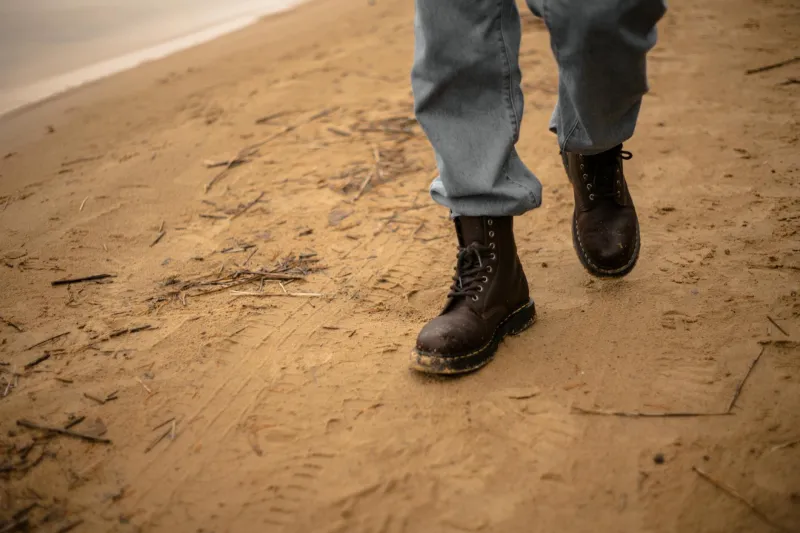
The real breakthrough came when British manufacturer Clarks began using crepe rubber for their desert boots in the late 1940s. These simple, ankle-high shoes combined suede uppers with thick crepe rubber soles, creating something entirely new in the footwear world.
The boots were originally designed for British officers serving in North Africa, who needed footwear that could handle sand and heat while remaining comfortable during long periods of wear. The crepe rubber sole provided exactly the right combination of grip and flexibility.
 Photo: North Africa, via steelfasteng.com
When these officers returned home after the war, they brought their desert boots with them. What had started as military necessity was about to become civilian obsession.
The Mod Movement's Unlikely Adoption
In 1960s Britain, the emerging mod subculture embraced desert boots as part of their carefully curated aesthetic. These young, style-conscious Londoners paired the boots with slim suits and tailored clothing, creating a look that was simultaneously sharp and relaxed.
The crepe rubber sole became a crucial element of mod style — visible, substantial, and completely different from traditional leather soles. The thick, pale rubber announced that the wearer was part of something new and different from established fashion norms.
American college students discovered desert boots through British music and fashion magazines, importing both the shoes and the attitude that came with them.
Crossing the Atlantic to Campus Cool
By the late 1960s, desert boots with crepe rubber soles had become standard equipment on American college campuses. The shoes perfectly captured the era's shift toward more casual, comfortable clothing while maintaining enough sophistication for class and social events.
The material that had once been purely medical was now associated with intellectual cool and countercultural style. Students wore their desert boots to lectures, parties, and protest marches, creating an entire generation that associated crepe rubber with youth and rebellion.
Other manufacturers took notice, incorporating crepe rubber into everything from casual loafers to hiking boots. The medical material had successfully made the transition to mainstream fashion.
The Texture That Defined Comfort
What made crepe rubber so appealing wasn't just its appearance — it was the way it felt. The material provided a completely different walking experience from traditional leather or synthetic soles. It was softer, more flexible, and offered better shock absorption.
This comfort factor became increasingly important as American lifestyles became more casual and active. People wanted shoes that could handle long days of walking, standing, and general activity without the stiffness of formal footwear.
The slightly sticky quality of crepe rubber, originally designed to prevent slips in hospitals, made it excellent for everyday traction on various surfaces.
From Medical to Mainstream Manufacturing
As demand grew, manufacturers developed new ways to produce and process crepe rubber specifically for footwear. They experimented with different textures, densities, and colors, moving far beyond the basic beige material that had characterized early medical applications.
The manufacturing process itself became more sophisticated, allowing for better integration between rubber soles and various upper materials. What had started as a wartime improvisation became a legitimate branch of the footwear industry.
Brands began marketing the medical heritage as a selling point, emphasizing the health and comfort benefits of material originally designed for surgical environments.
The Legacy of Accidental Cool
Today, crepe rubber soles remain a staple of casual footwear, though most people wearing them have no idea they're walking on material originally designed for operating rooms. The texture and comfort that made it ideal for medical applications continue to make it popular for everyday wear.
Modern sneaker culture has embraced crepe rubber as a premium material, with high-end brands using it to signal quality and comfort. What was once a wartime substitute has become a mark of thoughtful design and attention to detail.
The story of crepe rubber's journey from hospital to street demonstrates how necessity, accident, and cultural adoption can transform the most unlikely materials into lasting style statements.
The Comfortable Revolution
Looking back, crepe rubber's migration from medical necessity to fashion statement reflects a broader shift in how Americans think about footwear and comfort. The material helped establish the idea that shoes could be both stylish and genuinely comfortable — a concept that seems obvious now but was revolutionary in the 1950s and 60s.
The next time you see those distinctive wavy soles on a pair of desert boots or casual shoes, remember their medical origins. That texture was designed to keep surgeons steady during operations, but it ended up giving an entire generation of Americans a new way to walk through the world.