The Hood Was Never Just a Hood
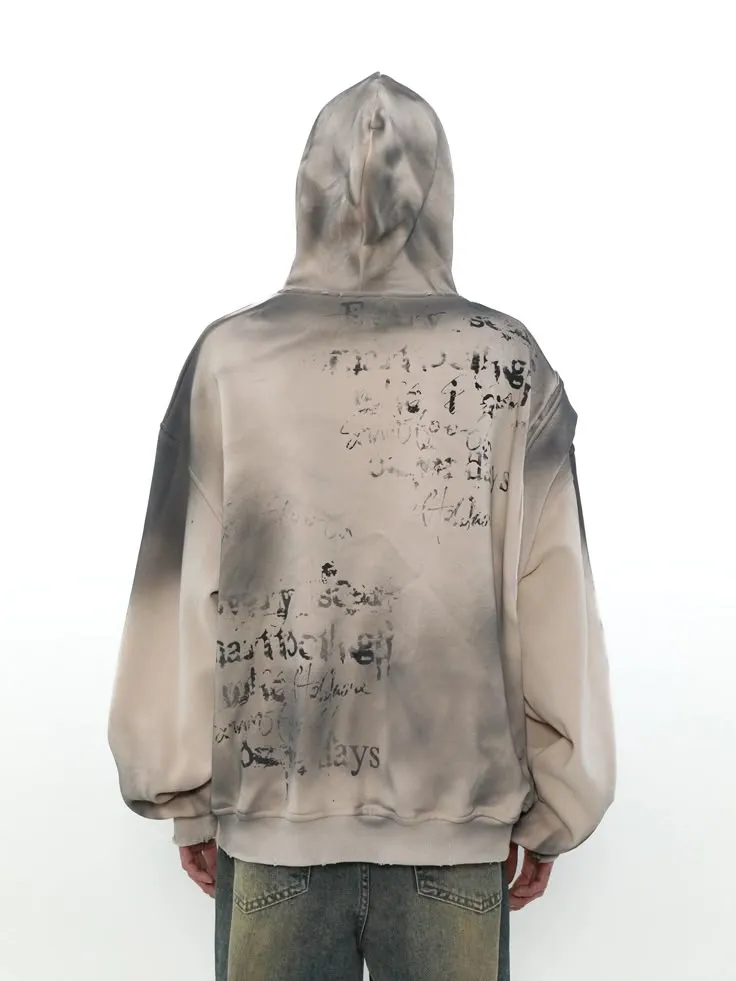
Photo: vintage hoodie sweatshirt protest street style, via i.pinimg.com
There's a piece of clothing hanging in most American closets right now that has, at various points in history, been worn by monks seeking silence, laborers seeking warmth, teenagers seeking identity, and protesters seeking justice. It's been banned from shopping malls, debated in courtrooms, and turned into a billion-dollar retail category. And somehow, through all of it, it just looks like a sweatshirt with a hood.
The hoodie's story is longer and stranger than most people realize — and almost none of it was planned.
It Started With Monks Who Wanted Quiet
The hood itself is ancient. Long before Champion started screen-printing logos and Kanye West started charging four hundred dollars for a plain gray one, hoods were purely functional. Medieval monks wore hooded robes called cowls as part of their daily habit — the hood provided warmth during early morning prayers, privacy during contemplation, and a kind of visual separation from the outside world. It was clothing designed to signal withdrawal.
That idea — the hood as a barrier between the wearer and everyone else — never really went away. It just changed hands.
For centuries, hoods appeared across working-class European garments, from fishermen's cloaks to farmers' outer layers. They were practical. They kept rain off your neck and wind out of your ears. Nobody was making a statement. They were just trying to stay dry.
The Depression Made It American
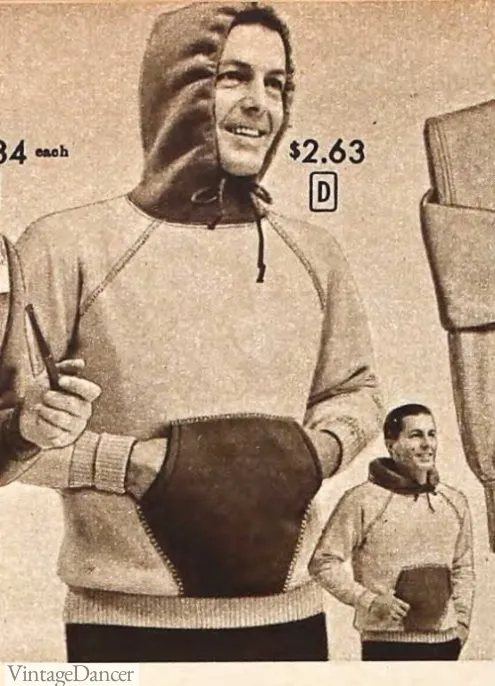
The modern hoodie as we know it — fleece-lined, kangaroo-pocketed, drawstring-fitted — traces its American origin to the 1930s. Champion Products, a knitwear company out of Rochester, New York, had been making athletic gear since the 1910s. When the Great Depression hit and workers were spending long hours in freezing warehouses and outdoor job sites, Champion responded with a practical solution: a thick, fleece-lined sweatshirt with a hood attached.
It wasn't fashionable. It wasn't meant to be. Cold-storage workers in upstate New York needed something that worked, and the hooded sweatshirt worked. It was warm, durable, and cheap enough that it made sense.
For the next few decades, the hoodie lived quietly in the world of labor. It was worn by athletes warming up before practice, by dock workers, by construction crews. It was gear, not clothing. Useful, not interesting.
Then Teenagers Got Hold of It
Something shifted in the 1970s. The hoodie started appearing in places that had nothing to do with cold warehouses or morning runs. Hip-hop culture was taking shape in New York City, and the hoodie — anonymous, comfortable, and cheap — fit the aesthetic perfectly. It wasn't borrowed from athletic culture so much as it was claimed by a new one.
At the same time, skateboarding was exploding on the West Coast, and the hoodie became standard-issue for a generation of kids who spent their days in parking lots and empty swimming pools. It offered the same thing it always had — warmth and practicality — but now it also offered something else: the visual language of being outside the mainstream.
Hollywood noticed. Rocky, released in 1976, put Sylvester Stallone in a gray hoodie for some of the most iconic training sequences in film history. The image of a lone figure in a hood, running through the dark, became shorthand for grit and determination. The garment was picking up meaning it had never asked for.
The Garment That Made Institutions Nervous
By the 1980s and 1990s, the hoodie had become genuinely controversial in a way that's hard to explain if you didn't live through it. Shopping malls across the country started posting signs banning hoodies — or more specifically, banning hoods worn up indoors. The stated reason was usually about concealing identity. The unstated reason was about who was wearing them.
The hoodie had become associated with youth, with rebellion, and with Black teenagers in particular. That association wasn't accidental — it was the result of decades of media coverage that linked the garment to urban crime in ways that were often explicitly racialized. By the time the 1990s were over, the hood itself had become a kind of shorthand in public discourse, loaded with assumptions that had very little to do with the actual piece of fabric.
The tragedy of Trayvon Martin in 2012 brought that tension into devastating focus. Martin, a seventeen-year-old wearing a hoodie, was shot and killed in Florida. In the aftermath, millions of Americans wore hoodies in protest — a movement that spread from street demonstrations to social media to the floor of the U.S. House of Representatives, where Democratic members donned hoodies in solidarity. A garment that had started as cold-weather workwear had become the center of a national conversation about race, surveillance, and who gets to move through public space without suspicion.
Comfort Became a Billion-Dollar Business
And yet — simultaneously — the hoodie was being embraced at the other end of the cultural spectrum. Tech culture in Silicon Valley turned it into a kind of anti-uniform uniform. Mark Zuckerberg's gray hoodie became a symbol of a different kind of statement: that you were too focused on important things to bother with conventional dress codes. Fashion designers started producing hoodies in cashmere. Luxury brands put their logos on them and charged accordingly.
The athleisure boom of the 2010s pushed the hoodie further into mainstream American life. It became acceptable in offices, restaurants, airports, and eventually almost everywhere. Comfort had become aspirational, and the hoodie was its mascot.
What the Hood Still Carries
What makes the hoodie's story worth telling is that none of these meanings canceled the others out. The garment absorbed them all. It's still worn by athletes, laborers, protesters, billionaires, teenagers, and grandparents. It still carries the tension between anonymity and visibility, between comfort and defiance.
That original monastic instinct — the hood as a way of separating yourself from the world around you — turned out to be a durable idea. It just means something different depending on who's wearing it, and where, and why.
A piece of fabric with a hood shouldn't be able to hold that much history. And yet here we are.