First Form Stories The surprising origins of everyday things

First Form Stories

The surprising origins of everyday things


Latest Articles

The Glorified Ring of Rubber That Quietly Held American Business Together
Culture

The Glorified Ring of Rubber That Quietly Held American Business Together

In 1845, a British engineer patented a stretchy loop of vulcanized rubber designed to bundle papers. Nobody thought much of it. Then American office culture got involved, and a throwaway little ring became the invisible infrastructure of commerce.

One Forgotten Wallet and the Dinner That Rewired the American Economy
Culture

One Forgotten Wallet and the Dinner That Rewired the American Economy

In 1949, a New York businessman sat mortified at a restaurant table, wallet-less and scrambling. What he scribbled on a napkin that night didn't just solve his dinner problem — it quietly dismantled centuries of cash-only American life and gave birth to the swipe economy we live in today.

The Surplus Canvas That Taught America How to Sit Outside
Culture

The Surplus Canvas That Taught America How to Sit Outside

After World War II ended, America was left with mountains of surplus canvas that nobody knew what to do with. What happened next — a thrifty, almost accidental transformation of military and carnival materials into backyard furniture — quietly invented the American ideal of outdoor leisure and put a folding chair in every garage in the country.

The Scratchy Little Invention That Needed the Moon to Finally Get Noticed
Culture

The Scratchy Little Invention That Needed the Moon to Finally Get Noticed

Georges de Mestral spotted something interesting on his dog's fur after a hike in 1941 and spent the next decade trying to convince an uninterested world that it mattered. It took NASA suiting up astronauts to finally prove him right — and from there, Velcro went straight to the feet of every kindergartner in America.

The Rigged Game That Rewired How Americans Think About Wanting
Culture

The Rigged Game That Rewired How Americans Think About Wanting

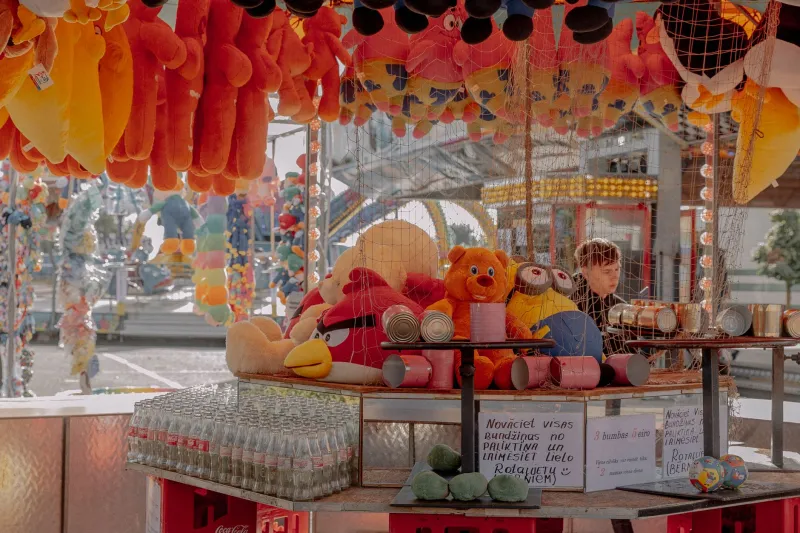
Those impossible carnival games with oversized teddy bear prizes weren't just entertainment—they were a carefully designed psychology experiment that taught an entire nation how to confuse effort with value. The lessons learned under the big top quietly revolutionized American consumer culture.

The Workshop Mistake That Became Wall Street's Secret Language
Culture

The Workshop Mistake That Became Wall Street's Secret Language

Pinstripes started as chalk marks that London tailors used to track fabric measurements—marks that were supposed to disappear before the suit was finished. A simple workshop shortcut somehow evolved into the most recognizable symbol of American financial power.

How Uncle Sam's Leftover War Gear Built the Great American Getaway
Culture

How Uncle Sam's Leftover War Gear Built the Great American Getaway

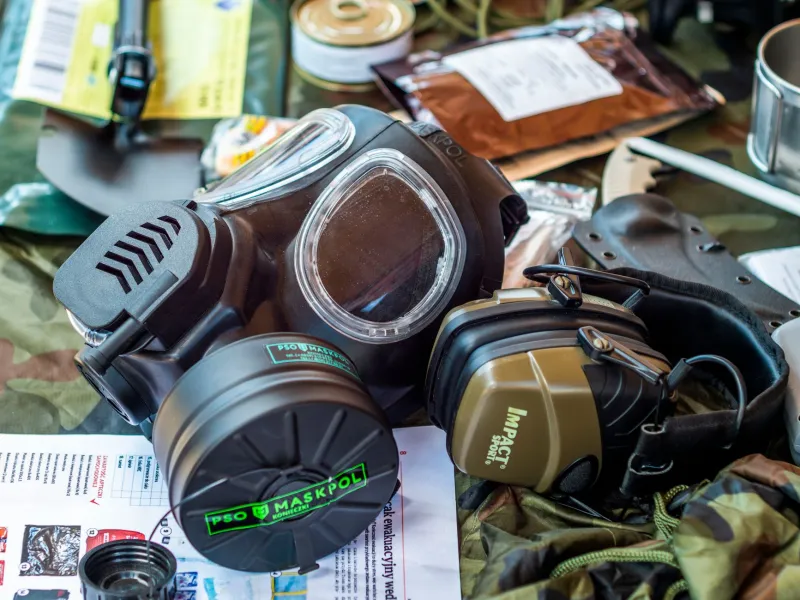
When World War II ended, the U.S. government had a massive problem: mountains of surplus military gear and nowhere to put it. Their solution accidentally created the entire American camping culture and our obsession with the open road.

The Psychological Trap Hidden in Every Store: How Fitting Rooms Were Designed to Make You Buy
Culture

The Psychological Trap Hidden in Every Store: How Fitting Rooms Were Designed to Make You Buy

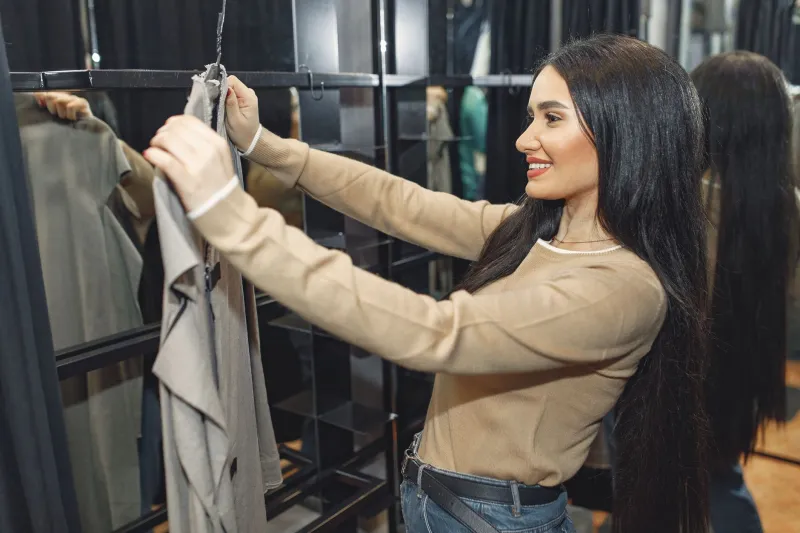
Fitting rooms weren't created for customer convenience — they were invented as sophisticated sales tools to manipulate shoppers into buying more. The story of how 19th-century merchants discovered the power of getting merchandise onto customers' bodies reveals the calculated psychology behind every retail space.

The Military Fabric Nobody Wanted That Became America's Comfort Obsession
Culture

The Military Fabric Nobody Wanted That Became America's Comfort Obsession

Fleece was supposed to revolutionize military gear and outdoor equipment. Instead, it got rejected by serious industries and accidentally created the most beloved casual fabric in American closets. Here's how a synthetic wool substitute nobody wanted became the unofficial uniform of weekend America.

Why Nothing in Your Closet Fits: The Morbid History of American Clothing Sizes
Culture

Why Nothing in Your Closet Fits: The Morbid History of American Clothing Sizes

American clothing sizes weren't designed for living people. They were created using measurements from Civil War soldiers and dead bodies collected by insurance companies. This bizarre origin story explains why finding clothes that fit properly remains an endless struggle for most Americans.

The Storm That Taught America How to Buy Memories
Culture

The Storm That Taught America How to Buy Memories

When a cargo ship loaded with European trinkets crashed off the Massachusetts coast in 1873, desperate salvagers started stamping local place names on the recovered goods. Americans couldn't get enough, launching an obsession with location-based keepsakes that built an entire industry.

The Paint Shop Disaster That Became America's Favorite Color
Culture

The Paint Shop Disaster That Became America's Favorite Color

A clumsy painter's workshop accident with experimental pigments in the 1850s created the brilliant white that would define American dreams for generations. From suburban picket fences to presidential residences, this spilled paint formula accidentally wrote the visual language of American aspiration.

The Hygiene-Obsessed General Who Put Useless Buttons on Every Man's Sleeve
Culture

The Hygiene-Obsessed General Who Put Useless Buttons on Every Man's Sleeve

Those decorative buttons on men's suit jacket sleeves exist because an 18th-century military commander couldn't stand watching his soldiers wipe their noses on their uniforms. His solution became the most pointless—yet persistent—detail in American menswear.

When Uncle Sam's Hand-Me-Downs Built America's Adventure Empire
Culture

When Uncle Sam's Hand-Me-Downs Built America's Adventure Empire

After WWII ended, the U.S. government had a massive problem: what to do with millions of leftover military coats and gear. The solution accidentally created the entire outdoor recreation industry when cash-strapped adventurers discovered these surplus treasures.

The Mirror Trick That Made America Impatient Forever
Culture

The Mirror Trick That Made America Impatient Forever

When New York's first passenger elevators left people fuming about wait times, building owners installed mirrors to keep riders distracted. That simple fix accidentally rewired American expectations about speed and convenience in ways we're still living with today.

How Measuring Soldiers for War Accidentally Invented Your Wardrobe
Culture

How Measuring Soldiers for War Accidentally Invented Your Wardrobe

Before the Civil War, Americans made their own clothes or hired tailors for custom fits. Then the urgent need to outfit hundreds of thousands of soldiers forced manufacturers to create the first standardized sizing system — accidentally making off-the-rack fashion possible.

The Shy Merchant Who Accidentally Invented Shopping as We Know It
Culture

The Shy Merchant Who Accidentally Invented Shopping as We Know It

Before 1860, buying clothes meant gambling with your money and hoping for the best. Then a nervous New York shopkeeper made a radical decision that would transform American retail forever and create the modern shopping experience.

The Factory Floor Mistake That Ended Up in Every American Office Drawer
Culture

The Factory Floor Mistake That Ended Up in Every American Office Drawer

Before the 1920s, counting money and sorting papers was a painful, slow process that left office workers with sore fingertips. Then a rubber factory accident created the tiny solution that would quietly revolutionize American office work forever.

The Food Wrapper That Accidentally Conquered Your Closet
Culture

The Food Wrapper That Accidentally Conquered Your Closet

The flimsy plastic bag that protects your dry-cleaned clothes was never meant for fashion at all. It started life in the food industry, solving a completely different problem, until one resourceful dry cleaner discovered its hidden potential.

The Clumsy Spill That Built America's Neighborhood Empire
Culture

The Clumsy Spill That Built America's Neighborhood Empire

When a French dye-works owner accidentally knocked over a kerosene lamp in the 1840s, he noticed something strange about the stained tablecloth. That clumsy moment quietly launched an industry that would define American neighborhoods for over a century.