The Polo Shirt's Long Ride From the Argentine Pampas to Your Office Dress Code
The Polo Shirt's Long Ride From the Argentine Pampas to Your Office Dress Code
If you've ever worn a polo shirt to work and thought nothing of it, congratulations — you've participated in one of the more gradual and surprisingly interesting fashion revolutions in American history. The polo shirt sits in a strange middle ground in the modern wardrobe. It's not formal, but it signals effort. It's not casual, but it's nowhere near a dress shirt. It is, in the most literal sense, a compromise garment.
But the story of how it got here — from the grasslands of Argentina to the collar-optional offices of corporate America — is a lot more interesting than the shirt itself tends to get credit for.
It Started on Horseback
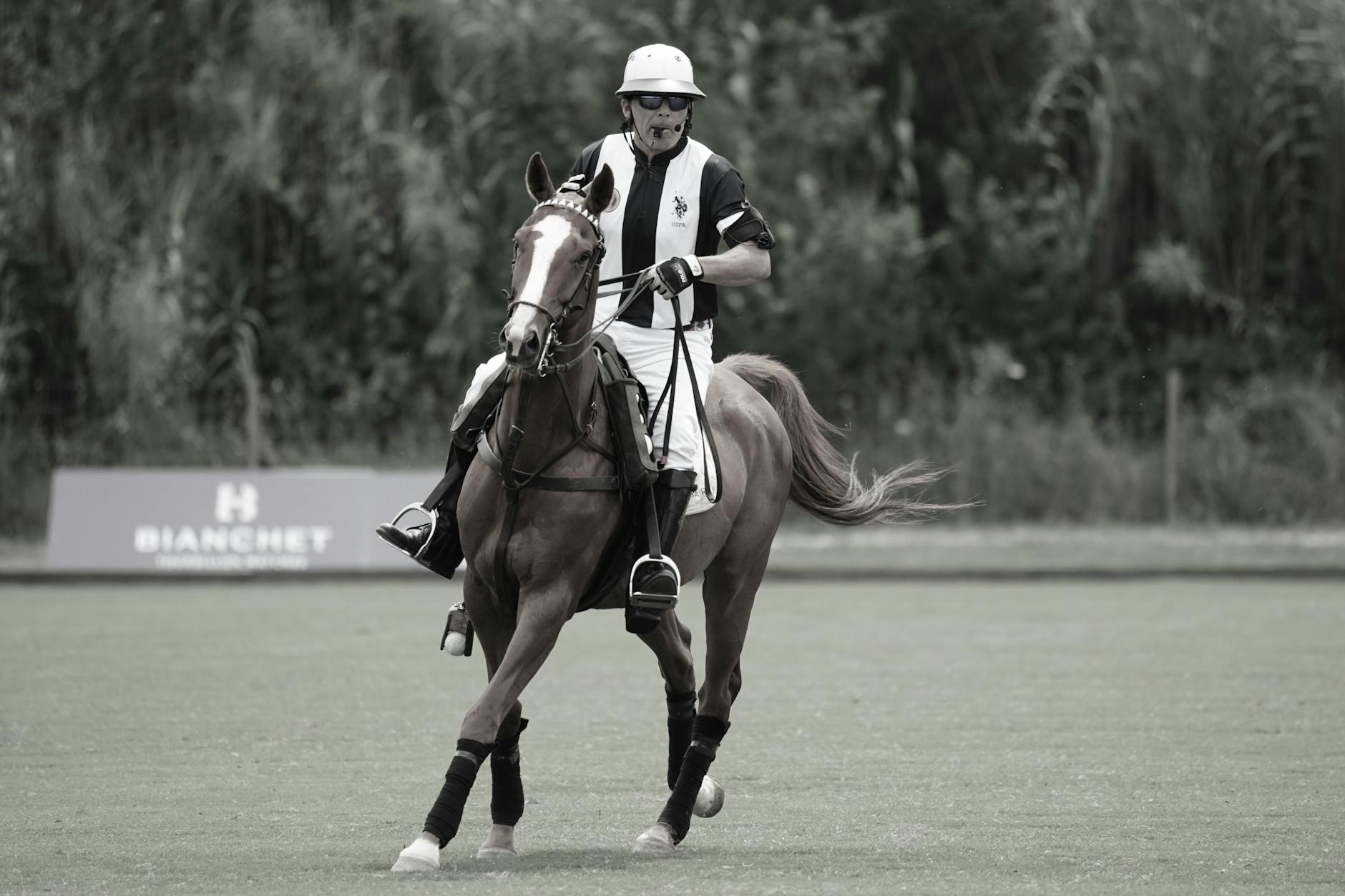
The origins of the polo shirt track back to the sport of polo itself, which was being played in various forms across South Asia and Central Asia for centuries before British military officers encountered it in India in the 1850s. The British took to it immediately and brought it back home, and from there it spread to British colonial outposts, including Argentina, where the sport found particularly fertile ground on the vast, flat pampas.
The players who were already on those fields — Argentine gauchos, the skilled horsemen of the South American plains — wore a specific kind of shirt: a loose, long-sleeved cotton garment with a buttoned placket at the neck. The buttons were practical. They kept the collar from flapping up into your face at a full gallop. It wasn't a fashion statement. It was engineering.
British polo players adopted a variation of this design, and by the late 19th century, polo players across the sport were wearing some version of a collared, button-placket shirt specifically suited to the demands of the game. The collar could be turned up for sun protection. The fabric was breathable. The fit allowed freedom of movement.
It was, by every measure, a functional piece of athletic clothing. Fashion wasn't anywhere near the picture.
René Lacoste Changes the Game
The leap from polo field to broader sportswear happened in 1926, and it came from tennis, not polo.
René Lacoste was one of the best tennis players in the world — a French champion who found the stiff, long-sleeved button-down shirts required by tennis dress codes at the time to be genuinely impractical. Playing a sport in formal clothing has obvious problems, and Lacoste decided to do something about it.
He designed a short-sleeved, piqué cotton shirt with a soft, ribbed collar and a small button placket — something that offered the respectability of a collar while actually allowing you to move your arms. He wore it at the 1926 US Open. People noticed.
In 1933, Lacoste partnered with a knitwear manufacturer and began producing the shirt commercially, selling it under the name La Chemise Lacoste with a small embroidered crocodile on the chest — a nod to his nickname on the circuit. It was the first time a designer's logo appeared on the outside of a garment, a detail that would have enormous consequences for fashion decades later.
The shirt spread through the tennis and golf communities of the 1930s and 40s, and Ralph Lauren later adopted and amplified the style in the 1970s, putting his own polo player logo on a near-identical design and marketing it directly to the American country club set.
From the Country Club to the Cubicle
By the 1980s, the polo shirt had a clear cultural address in America: it lived at country clubs, golf courses, and the wardrobes of the preppy upper-middle class. It was casual, but it was a specific kind of casual — one that carried associations of leisure, sport, and a certain social ease.
That positioning turned out to be strategically important when American workplace culture started loosening up in the late 1980s and early 1990s.
The concept of "Casual Friday" — the idea that employees could dress down on the last day of the workweek — gained real momentum during this period, pushed partly by clothing companies who saw an opportunity to sell more product and partly by a genuine shift in how companies thought about workplace culture. Hawaii, interestingly, gets some credit here: Hawaiian textile companies had been lobbying local businesses since the 1960s to allow "Aloha Fridays," encouraging workers to wear Hawaiian shirts as a way of boosting local garment sales.
As casual Friday spread across the mainland US in the early 90s, workers suddenly needed something that wasn't a suit but also wasn't a t-shirt. The polo shirt was perfectly positioned. It had a collar — the traditional signal of professional intention — but it was made of soft fabric, had no tie requirement, and felt genuinely comfortable. It split the difference exactly when the difference needed splitting.
Companies embraced it. HR departments put it in their dress code guidelines as an acceptable "business casual" option. And from there, the polo shirt's grip on the American workplace became near-permanent.
What the Polo Shirt Actually Did
The broader significance of the polo shirt's workplace takeover is what it revealed about the direction American professional culture was heading. Once the collar was no longer required to be attached to a formal dress shirt, the whole architecture of office dress started to soften.
Casual Friday became casual every day in many tech and startup environments. The polo shirt gave way to the button-down chambray shirt, which gave way to the clean t-shirt, which in some corners of the working world gave way to hoodies and sneakers. Each step felt incremental. Each step had a precedent.
The polo shirt was the first domino.
It's a strange legacy for a garment that started as a practical solution for Argentine horsemen and British polo players — a shirt designed so a collar wouldn't fly into your face at speed. But that's usually how the most durable things work: they solve a real problem first, and everything else follows.
So the next time you grab a polo on a Friday morning and think you're just picking something comfortable, know that you're wearing the descendant of a 19th-century gaucho's riding shirt, filtered through a French tennis champion, a Newport golf course, and several decades of slow-moving American dress code reform.
It earned its place in your closet the hard way.