When Lunch Was Just Survival
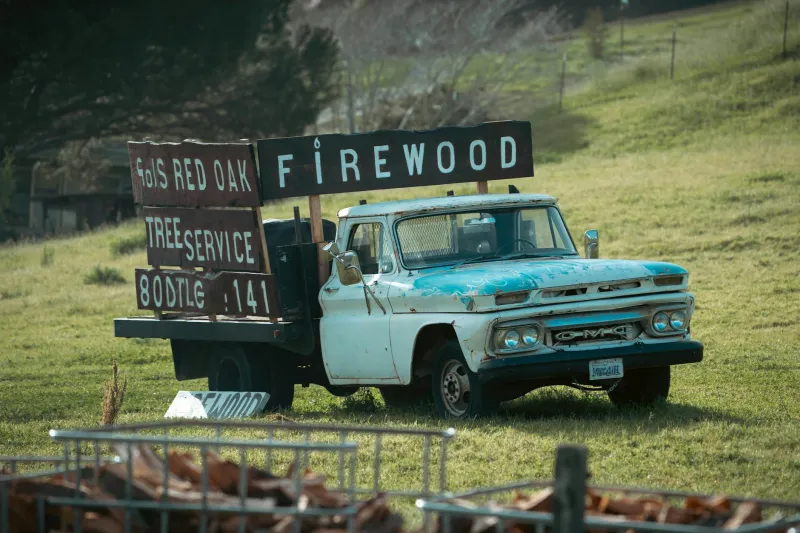
In 1880s America, if you worked in a factory, mill, or mine, your midday meal was an afterthought. Workers would wrap cold meat and bread in cloth, stuff leftovers into empty tobacco tins, or carry food in repurposed syrup pails. Lunch wasn't a ritual—it was fuel, hastily consumed during whatever break the foreman allowed.
Nobody thought much about how food traveled to work until American industrial culture began changing in ways that made lunch suddenly matter. The shift happened gradually, then all at once, creating a market that manufacturers never saw coming.
What emerged was the modern lunch box: a simple metal container that would accidentally become one of America's most beloved everyday objects and a childhood rite of passage that lasted for generations.
The Factory Floor Revolution
The transformation began in the 1920s when American factories started implementing more structured work schedules. The old system of eating whenever you could grab a moment was replaced by designated lunch breaks—thirty minutes when everyone stopped working at the same time.
Suddenly, thousands of workers were eating together in factory cafeterias and break rooms. The cloth bundles and makeshift containers that had worked fine for solitary, hurried meals looked shabby and impractical in a social setting. Workers wanted something that looked respectable, kept food fresh, and could handle daily use.
The American Thermos Bottle Company noticed this shift first. In 1935, they produced the first lunch kit specifically designed for workers: a rectangular metal box with rounded corners, a hinged lid, and a built-in tray. It was sturdy enough for construction sites but neat enough for office break rooms.
They called it the "lunch kit" because "lunch box" sounded too much like a child's toy. They had no idea they were about to create exactly that.
The Suburban Accident
World War II changed everything about American lunch culture. As millions of women entered the workforce and suburban neighborhoods exploded across the country, family meal patterns shifted dramatically. More mothers were packing lunches for both themselves and their children.
The same metal lunch kits that had appealed to factory workers suddenly made sense for school kids. They were durable enough to survive playground drops, large enough to hold a full meal, and—crucially—they looked grown-up. Children wanted to carry the same lunch containers as their working parents.
Manufacturers initially resisted marketing to children. Metal lunch boxes were expensive to produce, and kids seemed like a risky market. But by the early 1950s, suburban parents were buying so many "adult" lunch kits for their children that companies realized they'd stumbled into an enormous untapped market.
The License to Print Money
Everything changed in 1950 when Aladdin Industries took a massive gamble. Instead of making plain metal boxes, they decided to put Hopalong Cassidy—a popular TV cowboy character—on the side of their lunch kits.
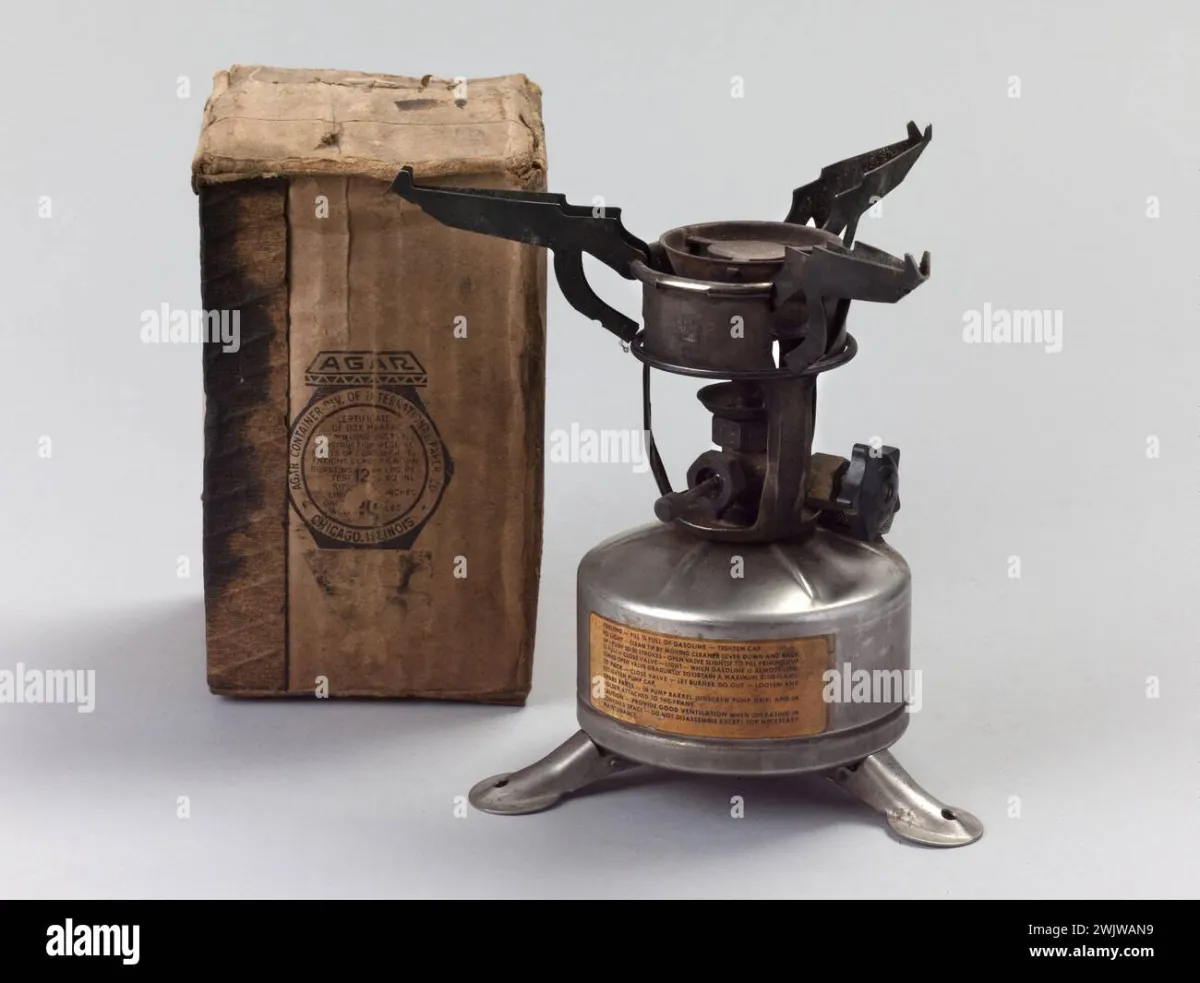 Photo: Aladdin Industries, via c8.alamy.com
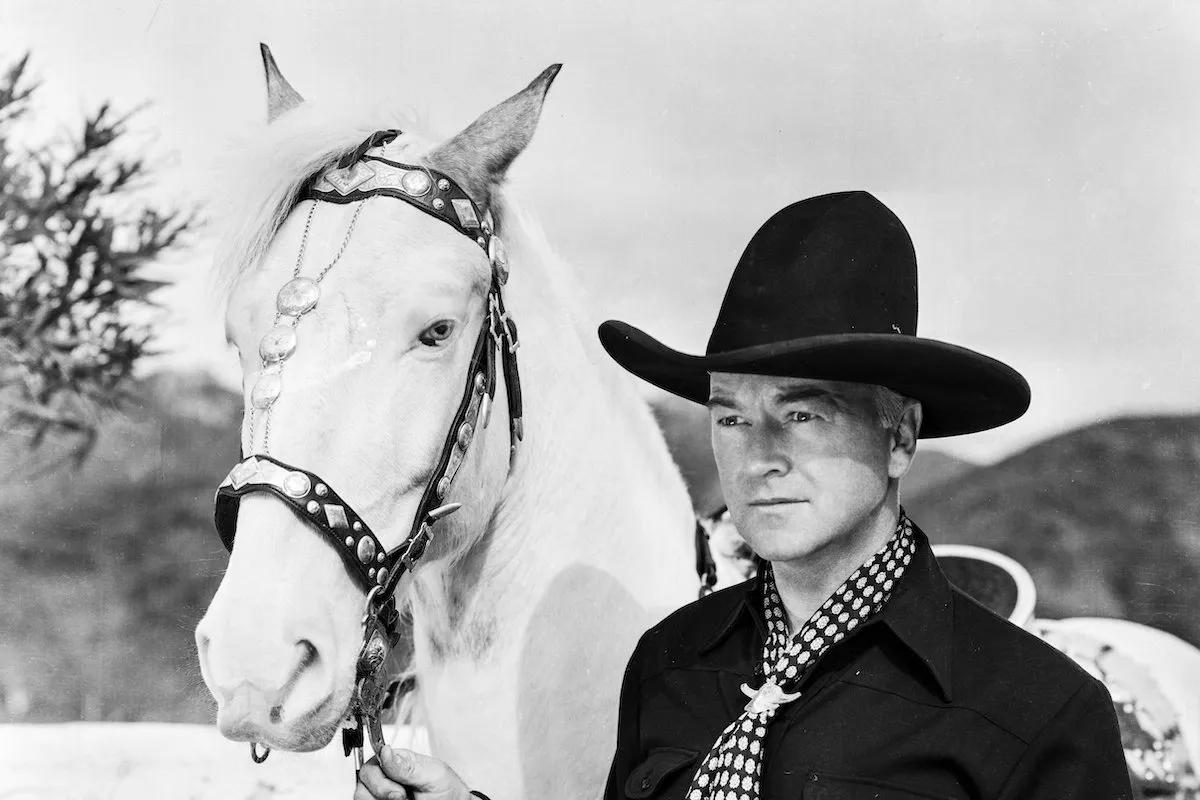 Photo: Hopalong Cassidy, via www.wideopencountry.com
The Hopalong Cassidy lunch box became the first licensed character lunch box in American history, and it sold 600,000 units in its first year. Aladdin had accidentally discovered that children didn't just want lunch containers—they wanted portable pieces of their favorite stories.
What followed was a licensing gold rush that lasted for decades. Roy Rogers, Superman, The Lone Ranger, Mickey Mouse, and eventually everything from Star Wars to The A-Team appeared on lunch boxes. Each new TV show or movie franchise meant new lunch box designs, and kids begged their parents for the latest characters.
Manufacturers realized they weren't selling lunch containers anymore—they were selling childhood identity. Your lunch box announced to the whole cafeteria which TV shows you watched, which heroes you admired, and which cultural tribe you belonged to.
The Thermos That Changed Everything
The genius of the licensed lunch box wasn't just the exterior design—it was the complete package. Every lunch box came with a matching thermos, creating a coordinated set that felt special and grown-up.
Those thermoses became as important as the boxes themselves. They kept milk cold and soup warm, but more importantly, they completed the lunch box experience. A Roy Rogers lunch box with a plain thermos felt incomplete. Kids wanted the whole set, and parents found themselves buying new lunch boxes every school year to keep up with their children's changing interests.
The thermos also solved a practical problem that cloth bundles and tobacco tins never could: it made hot and cold foods possible in packed lunches. This expanded what parents could send with their kids and made lunch boxes even more essential to daily life.
When Metal Became Too Dangerous
The golden age of metal lunch boxes ended abruptly in the 1980s, but not because kids lost interest. School administrators began banning metal lunch boxes after incidents where children used them as weapons during playground fights. The same durability that made them perfect for daily use made them dangerous in the wrong hands.
Manufacturers switched to plastic and soft-sided lunch bags, but something was lost in the translation. Plastic lunch boxes were lighter and safer, but they didn't have the satisfying weight and solid feel of metal. They looked more like toys and less like miniature versions of adult equipment.
The era of the lunch box as a cultural artifact was ending, replaced by a more practical but less magical approach to portable food.
The Nostalgic Object We Never Meant to Create
Today, vintage lunch boxes are collector's items that sell for hundreds or even thousands of dollars. The Superman lunch box that cost $2.50 in 1954 might bring $500 at auction. The Star Wars lunch box that seemed ordinary in 1977 is now a piece of pop culture history.
What's remarkable is that none of this was planned. The lunch box industry began by solving a simple problem: how to carry food to work in an increasingly structured industrial society. The transformation into childhood iconography happened by accident, driven by suburban demographics and television culture that manufacturers were just trying to keep up with.
The lunch box became one of the most democratic objects in American childhood—rich and poor kids alike carried them, and everyone understood their social significance. They were affordable luxury items that made ordinary school days feel special.
Looking back, the lunch box represents something uniquely American: the ability to take a purely functional object and transform it into a vehicle for self-expression, brand loyalty, and cultural identity. What started as repurposed tobacco tins became a billion-dollar industry and a defining artifact of 20th-century childhood.
All because factory workers wanted something better than a cloth bundle to carry their sandwiches.