The Wallpaper That Nobody Wanted
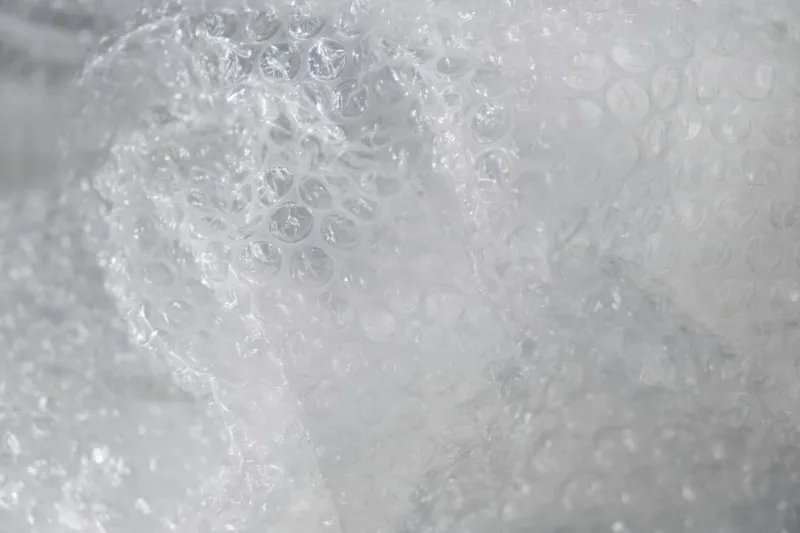
Picture this: it's 1957, and two engineers in Hawthorne, New Jersey are convinced they've cracked the code on the next big home décor trend. Alfred Fielding and Marc Chavannes had been experimenting with sealing two shower curtains together, creating pockets of air trapped between plastic sheets. The result? A bumpy, textured surface they were certain would become the wallpaper of the future.
They were wrong. Dead wrong.
No one wanted to hang their bubble-filled creation on their walls. The textured wallpaper market remained stubbornly uninterested in what would later become one of the most recognizable materials in America. But Fielding and Chavannes weren't ready to give up on their accidental invention just yet.
From Home Décor Flop to Greenhouse Dreams
When the wallpaper idea crashed and burned, the duo pivoted. Maybe their air-filled plastic sheets weren't meant for living rooms—maybe they belonged in greenhouses. They pitched their product as insulation for greenhouse walls, arguing that the trapped air would help regulate temperature and protect delicate plants.
This idea had slightly more traction than the wallpaper scheme, but not much. A few greenhouse operators tried it out, but the material never caught fire in agricultural circles. For three years, Fielding and Chavannes watched their invention languish in obscurity, a solution desperately searching for a problem.
IBM Changes Everything
In 1960, everything shifted when IBM came calling. The computing giant wasn't interested in wallpaper or greenhouse insulation—they needed something to protect their delicate computer equipment during shipping. The IBM 1401 computer system was a massive, expensive piece of machinery that required careful handling during transport.
Someone at IBM looked at Fielding and Chavannes' air-filled plastic sheets and saw exactly what they needed: lightweight, cushioning material that could absorb shock and protect valuable cargo. They placed their first order, and suddenly the failed wallpaper had found its true calling.
The Science Behind the Satisfaction
Here's where things get interesting from a human psychology perspective. That irresistible urge to pop bubble wrap bubbles? There's actual science behind it. When you press down on a bubble and hear that satisfying 'pop,' your brain releases a small hit of dopamine—the same neurotransmitter associated with pleasure and reward.
Dr. Kathleen Dillon, a psychology professor at Western New England University, conducted studies showing that popping bubble wrap can reduce stress and increase alertness. The repetitive nature of the activity, combined with the tactile feedback and sound, creates what researchers call a 'sensory experience' that helps calm anxiety and refocus attention.
From Niche Product to Cultural Phenomenon
Once IBM proved bubble wrap's effectiveness as protective packaging, other companies quickly followed suit. By the 1970s, the material had become standard in shipping departments across America. But somewhere along the way, it transcended its utilitarian purpose and became something more—a cultural touchstone.
Office workers discovered that unwrapping shipments came with an unexpected bonus: sheets of poppable stress relief. The material became so associated with satisfying destruction that companies started marketing it specifically for stress relief, creating versions with bigger bubbles designed purely for popping pleasure.
The Modern Bubble Wrap Empire
Today, the Sealed Air Corporation (the company Fielding and Chavannes founded) produces billions of square feet of bubble wrap annually. The material protects everything from fragile electronics to fine art, moving through global supply chains as an invisible guardian of commerce.
But perhaps more remarkably, bubble wrap has maintained its status as America's most democratic stress reliever. Unlike fidget spinners or stress balls, bubble wrap requires no purchase—it arrives free with online orders, offering momentary satisfaction before heading to recycling bins.
The Wallpaper That Conquered the World
Fielding and Chavannes never did revolutionize home décor, but they created something arguably more important: a material that makes modern commerce possible while accidentally providing millions of Americans with tiny moments of joy. Their textured wallpaper failure became proof that sometimes the best inventions are the ones nobody asked for.
Every time you receive a package cushioned in those familiar air-filled bubbles, you're experiencing the legacy of two engineers who refused to give up on their weird plastic experiment. They set out to change how we decorated our walls and ended up changing how we ship our world—one satisfying pop at a time.