The Ridiculous Idea That Made a Fortune
In 1805, Frederic Tudor announced to his family that he was going to make money selling ice to people in the Caribbean. His relatives thought he'd lost his mind.
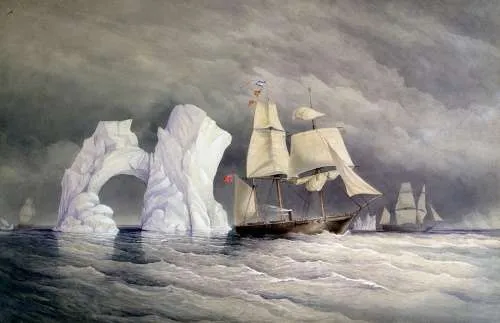 Photo: Frederic Tudor, via www.newenglandhistoricalsociety.com
The logic seemed absurd: Why would anyone in a tropical climate pay for frozen water when they'd never needed it before? How do you transport ice hundreds of miles without it melting? And most importantly, how do you convince people to buy something they can't even imagine wanting?
Tudor's family wasn't wrong to be skeptical. His first shipment to Martinique was a disaster—most of the ice melted during the voyage, and locals had no idea what to do with what remained. He lost money, faced ridicule, and spent time in debtor's prison.
But Tudor was stubborn in the way that only truly successful entrepreneurs can be. Over the next three decades, he would systematically create demand for a product that didn't exist, in places that had never wanted it, using methods that no one had ever tried before.
By the time he was done, he'd accidentally rewired American culture so thoroughly that putting ice in drinks became as automatic as adding salt to food. The rest of the world still thinks we're crazy for it.
Building an Industry from Frozen Ponds
Tudor's early failures taught him that selling ice wasn't just about transportation—it was about education. People needed to understand what ice could do before they'd pay for it.
He started by targeting the obvious customers: wealthy colonials and ship captains who remembered cold drinks from home. Tudor would give away free ice to bartenders and hotel owners, teaching them how to make cold drinks and store perishables. He wasn't just selling a product; he was selling a lifestyle that people didn't know they wanted.
The breakthrough came when Tudor figured out that ice wasn't just about cooling drinks—it was about preserving food. In tropical climates where meat spoiled within hours, ice could keep food fresh for days. Suddenly, ice wasn't a luxury; it was a necessity.
Tudor developed an entire supply chain around New England pond ice. He hired teams of workers to cut perfectly uniform blocks from frozen lakes, built insulated warehouses in Boston, and designed ships with specialized holds that could keep ice frozen during long voyages.
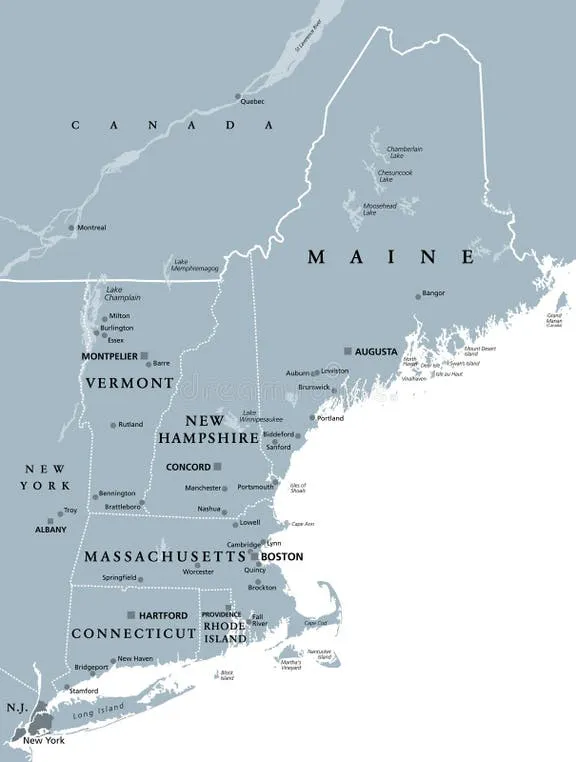 Photo: New England, via thumbs.dreamstime.com
By the 1820s, Tudor's ice was reaching India, Australia, and South America. He'd created the world's first global refrigeration network using nothing but natural winter ice and obsessive attention to logistics.
The Accidental Rewiring of American Culture
While Tudor was building his international ice empire, something unexpected was happening back in America. The infrastructure he'd created for export—the ice houses, the distribution networks, the storage techniques—made ice increasingly available to ordinary Americans.
As ice became cheaper and more accessible, American drinking and eating habits began shifting in ways that Tudor never anticipated. Bartenders started serving cold beer as standard practice. Restaurants began offering iced tea and cold sodas. Home cooks discovered they could keep milk fresh longer and serve chilled desserts.
The change happened gradually, then suddenly. By the 1840s, Americans were consuming ice at rates that astonished foreign visitors. European travelers wrote home about the American obsession with cold drinks, describing it as everything from refreshing innovation to cultural barbarism.
What Tudor had created wasn't just a business—it was a new set of expectations about how food and drinks should be served. Americans began to associate cold beverages with cleanliness, freshness, and sophistication. Room temperature drinks started to seem unsanitary and uncivilized.
The Infrastructure That Changed Everything
Tudor's success created a feedback loop that transformed American domestic life. As demand for ice grew, entrepreneurs built ice houses in every major city. Home delivery services brought ice directly to residential customers. Architects began designing homes with built-in iceboxes.
The icebox—a wooden cabinet with a compartment for ice and shelves for food—became standard equipment in American kitchens. Families organized their shopping, cooking, and eating around the ice delivery schedule. The iceman became as essential to daily life as the milkman or the postman.
This infrastructure investment had consequences Tudor never foresaw. American food culture began diverging from European traditions in fundamental ways. Cold storage allowed for different ingredients, preparation methods, and serving styles. American cuisine became more dependent on refrigeration, while European cooking remained focused on room-temperature ingredients and preservation techniques.
By the time mechanical refrigeration was invented in the 1880s, Americans were already culturally conditioned to expect cold food storage and chilled drinks. The transition from ice delivery to electric refrigerators felt natural because Tudor had already trained an entire nation to live with refrigeration.
The Global Divide That Never Healed
While Americans were embracing ice culture, the rest of the world remained largely unconvinced. European visitors continued to find American drinking habits strange and excessive. Asian cultures maintained traditional approaches to food and drink temperature that had worked for centuries.
This created a cultural divide that persists today. Americans travel abroad and complain about warm sodas and lack of ice in restaurants. Europeans visit America and are overwhelmed by the amount of ice in every drink. What Tudor created in the 19th century became a permanent feature of American identity.
The difference goes deeper than just beverage preference. American kitchen design, restaurant service, food safety regulations, and even social customs around hospitality all evolved around the assumption that cold drinks and refrigerated food are normal and necessary.
Meanwhile, much of the world continued with traditional practices that prioritized room temperature or warm beverages for health and digestion. The same drink—tea, for example—became associated with completely different cultural meanings depending on whether it was served hot or iced.
The Unintended Consequences of Cold
Tudor's ice empire had effects he never could have predicted. The American obsession with cold drinks influenced everything from dental health (ice can damage teeth) to social customs (offering someone a cold drink became a standard gesture of hospitality).
American restaurants developed around the assumption that customers wanted ice water automatically. This became so ingrained that many Americans feel uncomfortable in restaurants that don't immediately provide ice water, while people from other cultures often find the practice wasteful and unnecessary.
The ice industry also shaped American ideas about freshness and quality. Cold became associated with clean and safe, while room temperature seemed potentially contaminated. This psychological association influenced food marketing, restaurant design, and consumer behavior in ways that continue today.
The Legacy of the Ice King
Frederic Tudor died in 1864, having transformed from a laughingstock into one of America's wealthiest businessmen. His ice empire eventually became obsolete as mechanical refrigeration took over, but the cultural changes he set in motion proved permanent.
Today, Americans consume vastly more ice per capita than any other nationality. American refrigerators are larger and more energy-intensive than those in other countries. American restaurants automatically serve ice water, American bars pride themselves on perfectly chilled drinks, and American homes are designed around the assumption that food storage requires constant refrigeration.
None of this happened naturally. It was all the result of one stubborn entrepreneur who refused to accept that people didn't want to buy frozen pond water. Tudor's determination to create demand for ice accidentally created a set of cultural expectations that redefined how Americans think about food, drinks, and hospitality.
The next time you automatically ask for extra ice in your drink, or feel disappointed when a restaurant serves you warm soda, you're experiencing the long-term effects of Frederic Tudor's 19th-century marketing campaign. He convinced America that cold was better, and we never changed our minds.